

A complete guide to hair ideas should do more than show pretty pictures. It should help you choose a cut, a color, and a style that actually fits your hair, your face, your routine, and your life. That is exactly what this guide does. Inside, you will find 28 stunning hair ideas grouped into seven simple families: haircuts, hairstyles, hair colors, braids, short hair, long hair, and curly hair. Twenty-five featured ideas come with honest guidance on who each suits, how much care it needs, and how to style it at home without a salon visit every week, plus three quick bonus styles for busy days. Whether you want a small refresh or a full change, you can use this guide to plan your next look with confidence instead of guessing.
Good hair ideas start with understanding your own hair before you copy a photo. Two people can ask for the same haircut and walk out with very different results, because hair type, thickness, natural texture, and face shape all change how a style falls. Straight hair shows sharp lines clearly, wavy hair softens every edge, curly hair adds volume in places you may not expect, and fine hair needs lighter layers than thick hair. Your daily routine matters just as much. A style that needs thirty minutes of heat styling every morning is a poor choice if you have ten minutes, no matter how beautiful it looks in a photo. This guide keeps all of that in view, so every idea below tells you the effort involved.
Use this guide in whatever order helps you most. If you already know you want shorter hair, jump straight to the short hair ideas. If you are keeping your length but want a new color, start with the hair color section and the color technique comparison table. If you are planning for a wedding, a party, or a job interview, the occasion section near the end matches styles to moments. And if you are starting from zero, read the next section first. It gives you a simple four-step way to narrow twenty-eight ideas down to the three or four that are right for you, before you book a single appointment or pick up a pair of scissors.
How to Use This Complete Guide to Hair Ideas
Choosing a new hairstyle is easier when you follow four steps in order: know your hair type, know your face shape, be honest about your maintenance level, and match the style to your occasion. Start with hair type. Wash your hair, let it dry naturally without products, and look at what it does on its own. If it dries straight and smooth, you have straight hair. If it forms soft S-shaped bends, it is wavy. If it forms clear spirals or rings, it is curly, and if it forms tight coils or zig-zag patterns, it is coily. Next, feel a single strand between your fingers. If you can barely feel it, your hair is fine. If it feels like a thread, it is medium. If it feels thick and wiry, it is coarse. These two facts alone rule out half the styles in any guide, and they save you from choosing a cut that fights your natural texture every morning.
Face shape is the second step, and it is simpler than most guides make it sound. Pull your hair back, look in a mirror, and notice where your face is widest. If your forehead, cheekbones, and jaw are about the same width and your face is longer than it is wide, you have an oval face, and almost every style will suit you. If your face is nearly as wide as it is long with full cheeks, it is round, and styles that add height on top or length around the sides will flatter you most. A strong, wide jaw means a square face, which softens beautifully with layers and waves. A wide forehead with a narrow chin is a heart shape, and styles with volume around the jaw balance it. You can find stylist-backed examples of what works for round faces in Byrdie’s guide to 40 hairstyles for round faces, which shows how small changes in parting and length change the whole effect.
The third step is maintenance, and this is where most hair regrets begin. Ask yourself three honest questions before you choose. How many minutes will you spend on your hair on a normal morning? How often will you visit a salon for trims or color? And how comfortable are you with heat tools, braiding, or styling products? A pixie cut looks easy in photos but needs a trim every four to six weeks to keep its shape. Long layers look low-maintenance but need regular trims to stop split ends from travelling up the hair. Balayage grows out softly and can wait months between appointments, while a solid platinum blonde needs root work every four to six weeks. Write your answers down, then use the comparison table below to filter the ideas in this guide by the effort you are truly willing to give.
The fourth step is occasion. The best everyday hairstyle is one you can repeat half-asleep, while the best party hairstyle is one that photographs well and holds for hours. Work styles need to look neat and stay out of your face. Wedding styles need to survive dancing, weather, and a long day. Vacation styles need to handle sun, salt water, and humidity without constant fixing. Keep this in mind as you read: every idea in this guide notes the occasions it suits best, so you can pick a style that works on a normal Tuesday as well as on a special day. For more ideas beyond hair, our Fashion and Outfit Ideas category shows how to pair your new hairstyle with an outfit, and our Nail Ideas category helps you match your nails to your hair for a finished look.
Key Points: Before You Choose
- Know your natural texture first — cut and color should work with it, not against it.
- Match the style to your face shape, but treat the rules as guidance, not law.
- Be honest about maintenance: trims, color appointments, and morning styling time.
- Pick an occasion in mind, then check that the style also works for everyday life.
- Always do a patch test before new color, and ask your stylist for a realistic grow-out plan.
| Hair Idea Family | Best For | Styling Time | Salon Upkeep | Best Occasions |
|---|---|---|---|---|
| Haircuts | Changing shape and structure | 5 to 20 minutes | Trim every 6 to 8 weeks | Everyday, work, fresh start |
| Hairstyles | Changing the look without cutting | 5 to 30 minutes | No extra visits | Work, parties, weddings, dates |
| Hair Colors | Adding depth, warmth, or drama | Same as your normal routine | Color refresh every 6 to 12 weeks | Seasonal change, special events |
| Braids | Protective, long-lasting styles | 10 to 45 minutes to create | Redo every 1 to 4 weeks | Vacation, festivals, weddings |
| Short Hair | Bold, light, low daily effort | 5 to 10 minutes | Trim every 4 to 6 weeks | Everyday, work, hot weather |
| Long Hair | Versatility and drama | 10 to 30 minutes | Trim every 8 to 12 weeks | Weddings, parties, photos |
| Curly Hair | Natural volume and texture | 10 to 20 minutes | Trim every 8 to 12 weeks | Everyday, parties, natural look |
28 Stunning Hair Ideas: Haircuts That Change Everything
A haircut is the fastest way to change how you look, because it changes the shape of your hair before any styling begins. The four cuts below cover the most useful shapes in this complete guide to hair ideas: a long layered bob for soft movement, a textured French bob for French-girl charm, a classic blunt bob for sharp polish, and a modern shag for easy texture. Each one works on different hair types and face shapes, and each one is explained with enough detail that you can walk into a salon and describe exactly what you want, including the words your stylist needs to hear.
1. Long Layered Bob Haircut.
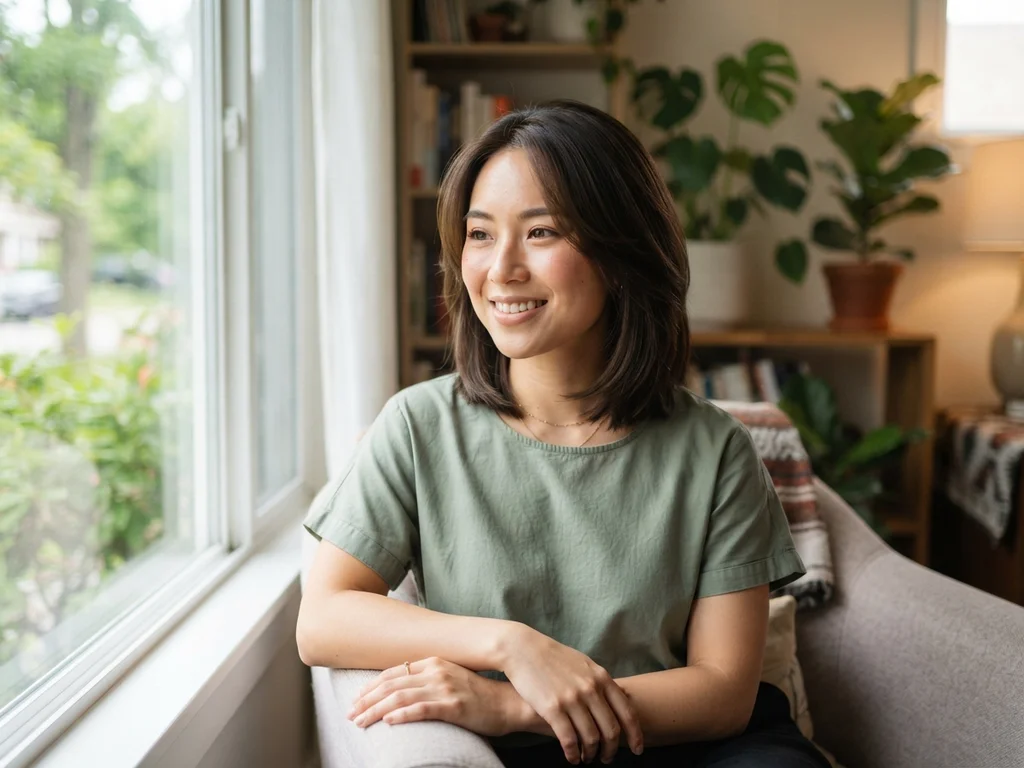
The long layered bob, often called a lob, sits between the chin and the collarbone and uses soft internal layers to add movement without losing length. It is one of the most forgiving cuts in this guide because it suits straight, wavy, and lightly curly hair, and it flatters oval, round, and heart-shaped faces. Ask your stylist for a collarbone-length cut with long, blended layers that start at the cheekbones and face-framing pieces that are slightly shorter at the front. Style it by blow-drying with a round brush for a smooth finish, or by adding a few bends with a flat iron for a relaxed wave. It needs a trim every eight weeks to keep the ends clean, and it grows out gracefully, which makes it a smart first step if you are nervous about going short.
2. Textured French Bob With Wispy Bangs.
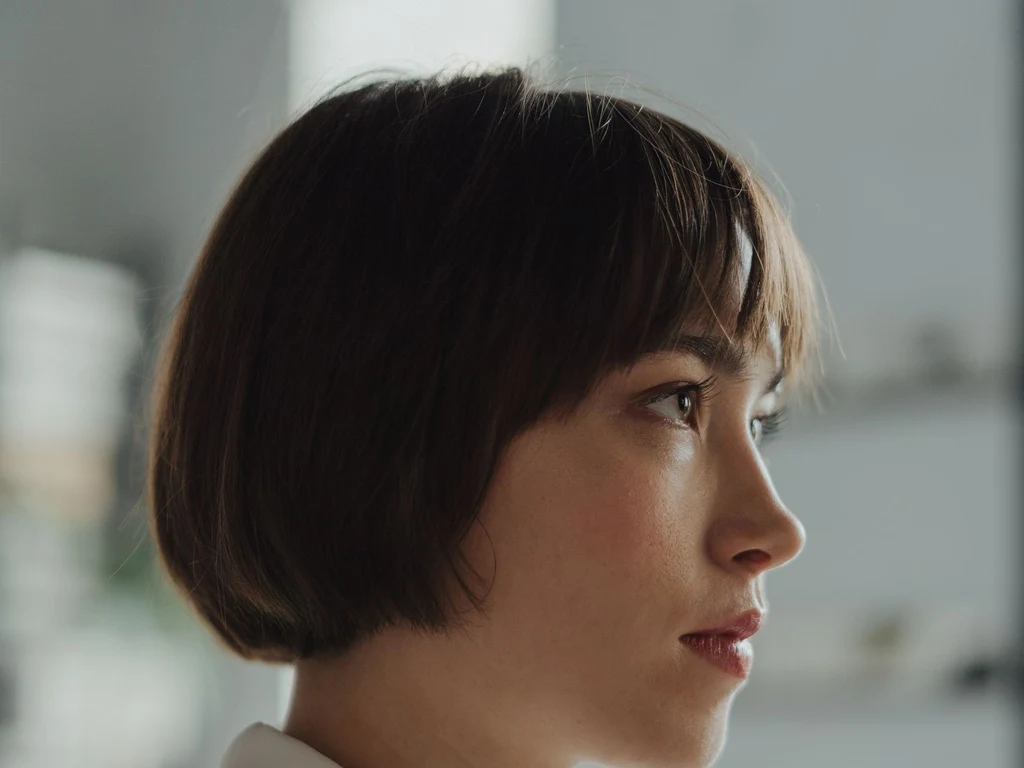
The textured French bob is a chin-length cut with soft, piecey texture through the ends and light, wispy bangs that skim the eyebrows. It looks deliberately undone rather than perfectly polished, which is exactly why it works so well for everyday wear. This cut suits fine to medium hair best, because the texture creates the illusion of fullness, and it flatters oval and heart-shaped faces by drawing attention to the eyes and cheekbones. Ask for a bob that ends at the jaw with textured, point-cut ends and bangs that are cut longer at the sides so they blend into the rest of the hair. Style it with a small amount of texture spray scrunched through damp hair, then let it air dry. It needs a trim every six weeks, and the bangs need a quick tidy between appointments.
3. Classic Blunt Bob.

The classic blunt bob is cut to one clean length, usually at the jaw or just below it, with no layers at all. The result is a sharp, graphic line that makes hair look instantly thicker and healthier, which is why it is a favorite for fine hair. It works best on straight or slightly wavy hair, because the clean line is the whole point of the cut, and it suits oval and square faces by adding strong structure. Ask your stylist for a blunt cut with no layering and a length that sits exactly at the jawline or one finger below it. Style it by blow-drying smooth with a paddle brush and finishing with a light shine serum, or tuck one side behind the ear for a softer look. The blunt line grows out visibly, so book a trim every six weeks to keep it sharp.
4. Modern Textured Shag.

The modern shag is a layered cut with choppy ends, lots of movement, and usually a curtain fringe, built for people who want their hair to look styled without actually styling it much. It works on straight, wavy, and curly hair, and it is especially good for thick hair because the layers remove weight and let the natural texture move. Ask for a shag with layers that start around the cheekbones, textured ends, and a soft curtain fringe that parts in the middle. Style it with sea salt spray or mousse on damp hair, scrunch, and air dry, or diffuse on low heat for more volume. It grows out well and needs a trim only every eight to ten weeks, which makes it one of the lowest-maintenance cuts in this guide.
28 Stunning Hair Ideas: Hairstyles for Every Day and Every Occasion
Hairstyles are different from haircuts: they change your look without removing any length, so you can try a new style every morning and go back to your normal hair the next day. The four styles below cover the most useful range in this guide, from soft waves that work for the office to a slicked-back bun that looks neat in minutes. Each one includes the tools you need, the steps to follow, and the hair types it suits best, so you can recreate it at home without guessing.
5. Old Hollywood Waves.

Old Hollywood waves are deep, glossy, S-shaped waves that fall in one smooth direction, and they remain the most elegant party hairstyle ever created. They work best on medium to long hair that is straight or wavy, because the wave pattern needs length to show. Start with a heat protectant, then curl every section in the same direction with a large-barrel curling iron, clip each curl to cool, and brush them out gently with a soft brush until they join into one smooth wave. Finish with a light-hold hairspray and a shine spray. The style takes about thirty minutes, holds for hours, and suits weddings, formal dinners, and any evening when you want to look polished.
6. Slicked Back Bun for Work.

The slicked back bun is a low or mid-height bun with every strand smoothed back from the face, and it is the fastest way to look polished on a busy morning. It works on straight, wavy, and curly hair, and it suits every face shape because it opens up the face completely. Brush your hair back with a smoothing brush, apply a small amount of gel or smoothing cream, gather the hair at the nape or crown, twist it into a bun, and secure it with pins and a hair tie. Leave two thin face-framing pieces out if you want a softer version. The whole style takes five minutes, stays neat all day, and works for the office, interviews, workouts, and hot weather.
7. Curtain Bang Blowout.

The curtain bang blowout pairs long, face-framing bangs that part in the middle with a bouncy, voluminous blow-dry through the rest of the hair. It is one of the most requested salon looks because it makes every face shape look softer and every haircut look more expensive. Start with a heat protectant and a volumizing mousse, then blow-dry the bangs forward with a round brush, rolling them away from the face on each side. Blow-dry the rest of the hair in sections with the same round brush, lifting at the roots for volume. Finish with a cool shot from the dryer to set the shape. The style takes about twenty minutes, suits medium and long hair best, and works for work, dates, and everyday polish.
8. Half-Up Twisted Crown.

The half-up twisted crown takes two sections from the front of the hair, twists them back, and pins them together at the back of the head, leaving the rest of the hair loose. It keeps hair out of your face while showing off your length, which makes it perfect for days when you want to look put together without a full updo. It works on wavy, curly, and straight hair, and it suits every face shape. Add a few loose waves first with a curling iron, then twist each front section away from the face, cross them at the back, and pin them with bobby pins. Pull a few strands loose around the face for softness. The style takes ten minutes, holds well for a full day, and is a lovely choice for parties, festivals, and casual weddings.
28 Stunning Hair Ideas: Hair Colors That Add Depth and Warmth
Hair color changes the mood of your hair more than any cut can, because it controls how light moves through your hair. A single shade can look flat, while two or three close tones create depth that makes hair look thicker and healthier. The four colors below are the most wearable choices in this complete guide to hair ideas: a soft lived-in blonde, a rich espresso brown, a deep plum brunette, and a warm frosted hazelnut. Each one notes who it suits, how it is applied, and how much care it needs, so you can choose a color you will actually enjoy living with.
9. Lived-In Blonde Balayage.

Lived-In Blonde Balayage is a hand-painted highlighting technique that places lighter blonde pieces through the mid-lengths and ends while leaving the roots close to your natural color. The result looks like hair that has spent a summer in the sun, and it grows out so softly that you can wait three to four months between appointments. It suits warm and neutral skin tones best, and it works on medium to long hair where there is enough length for the blend to show. Ask your colorist for a soft root shadow with balayage pieces that are brightest around the face and ends. Care for it with a sulfate-free shampoo, a purple toning shampoo once a week to stop brassiness, and a weekly hair mask to keep the lightened hair soft.
10. Espresso Brown Balayage.
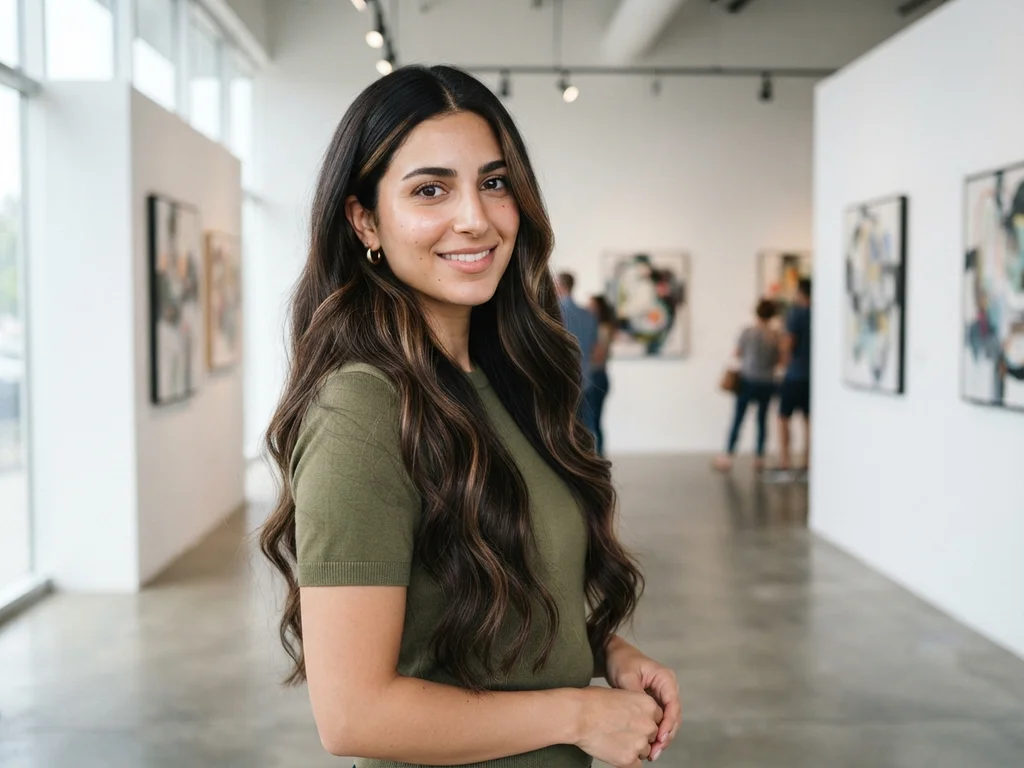
Espresso brown balayage takes a deep, glossy brown base and adds slightly lighter brown pieces painted through the hair, which creates shine and movement without an obvious color change. It is one of the most flattering colors for natural brunettes because it adds richness rather than drama, and it suits warm, cool, and neutral skin tones. Ask your colorist for an espresso base with caramel or mocha balayage pieces placed where light naturally hits the hair. The grow-out is gentle, so appointments can be spaced ten to twelve weeks apart. Keep the shine with a gloss treatment every six weeks, a color-safe shampoo, and a heat protectant whenever you style with hot tools, because heat dulls dark color faster than most people expect.
11. Plum Brunette.

Plum brunette blends a rich brown base with deep purple-red tones that show most clearly in sunlight or bright light. It is a beautiful middle ground for anyone who wants a bold color without committing to bright red or purple, and it suits cool and neutral skin tones especially well. Ask your colorist for a brunette base with plum tones woven through the mid-lengths and ends rather than a flat all-over color, so the shade has depth and movement. Plum tones fade faster than brown, so wash with cool water, use a color-safe shampoo, and limit washing to two or three times a week. A color-depositing conditioner in a plum shade every two weeks will keep the tone rich between appointments.
12. Frosted Hazelnut Highlights.

Frosted hazelnut highlights mix warm hazelnut brown with fine, cool-toned lighter pieces, which creates a soft, frosted effect that brightens the whole face. The color suits warm and neutral skin tones, and it works beautifully on medium and long hair where the highlights have room to blend. Ask your colorist for fine highlights in hazelnut and light beige tones, placed with a mix of foil highlights and balayage so the result looks natural rather than striped. The maintenance is moderate: a tone refresh every eight weeks and a gloss treatment to keep the cool pieces from turning warm. Use a sulfate-free shampoo and a weekly mask, and always use heat protectant, because lightened pieces are more fragile than the rest of your hair.
28 Stunning Hair Ideas: Braids for Style and Protection
Braids are the oldest hairstyles in the world, and they remain one of the smartest choices today because they look beautiful, protect the hair from daily damage, and last for days or weeks. The three braids below cover the most useful range: a romantic halo braid for special occasions, French curl braids for a protective everyday style, and a waterfall braid that shows off long hair. Each one includes the steps to create it, the hair it suits, and how long it lasts, so you can choose a braid that fits your day.
13. Halo Braid.
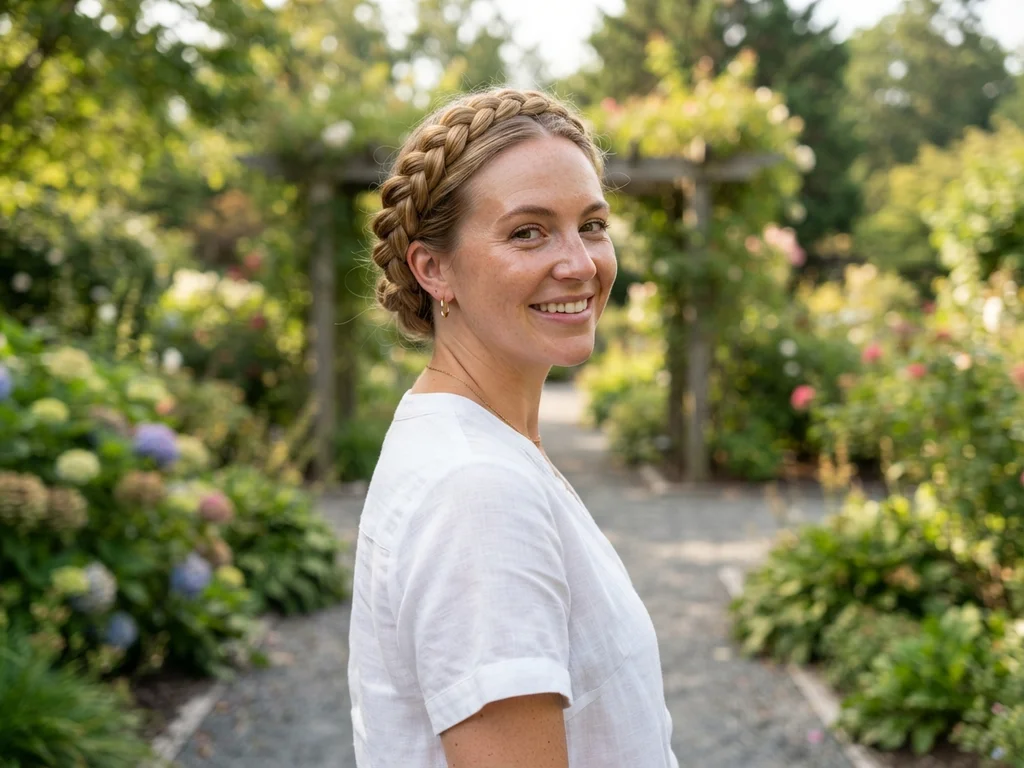
The halo braid is a single braid that wraps around the head like a crown, and it is one of the most romantic hairstyles you can wear to a wedding, a party, or a formal dinner. It works best on medium to long hair, and it suits every face shape because it frames the face completely. Start by parting the hair to one side, then Dutch braid — crossing sections under instead of over — along the hairline from one ear around to the other, adding hair as you go. Secure the end with a small elastic, tuck it under the braid, and pin it in place. Gently pull the braid apart slightly to make it look fuller, and leave a few soft strands around the face. The style takes about twenty minutes once you have practiced it, and it holds all day.
14. French Curl Braids.

French curl braids combine the structure of a French braid with soft, curly ends, which gives you a protective style that still looks soft and feminine. They suit medium to long hair and work especially well on wavy and curly hair, because the natural texture blends into the braid. Start with damp, detangled hair and a leave-in conditioner, then French braid from the crown down, adding hair evenly on both sides. Stop braiding about two-thirds of the way down and let the remaining length fall into natural curls, or curl the ends with a large iron if your hair is straight. The style lasts two to three days with a silk scarf at night, and it protects the hair from wind, friction, and daily styling damage.
15. Waterfall Braid for Long Hair.

The waterfall braid is a French braid where you drop one section of hair with each stitch and pick up a new section instead, which creates a cascading effect that looks like water falling through the hair. It is made for long hair, because the falling pieces need length to show, and it suits straight and wavy hair best. Start near the temple, braid across the back of the head, and with each stitch, let the bottom section fall free and pick up a fresh section from below the braid. Finish by securing the end behind the ear with a pin, then curl the falling pieces lightly for a soft finish. The style takes about fifteen minutes, works beautifully for parties and weddings, and shows off long hair better than almost any other braid.
28 Stunning Hair Ideas: Short Hair With Big Personality
Short hair is not a compromise. It is a choice that puts your face, your features, and your confidence first, and it can be more flexible than long hair because the shape does the work. The three short styles below cover the most popular directions in this guide: a textured bixie that mixes a bob and a pixie, Birkin bangs that soften any short cut, and a chin-length shag for movement and edge. Each one notes the face shapes it suits, the styling time, and the trim schedule, so you can pick a short style that fits your life rather than fighting it.
16. Textured Bixie.

The textured bixie is a hybrid of a bob and a pixie: longer than a pixie, shorter than a bob, with choppy layers and plenty of texture through the top. It suits fine to medium hair best, because the layers create volume where short hair often falls flat, and it flatters oval, heart, and square faces. Ask your stylist for a bixie with textured layers on top, slightly longer pieces around the ears, and a soft fringe that can be worn to the side or forward. Style it with a small amount of texture paste on damp hair, then blow-dry with your fingers or let it air dry for a relaxed finish. It takes five minutes to style and needs a trim every four to six weeks to keep the shape.
17. Birkin Bangs.

Birkin bangs are long, wispy, eyelash-skimming bangs with a soft center part, named after the effortless French style they recall. They work on short, medium, and long hair, and they suit oval, round, and heart-shaped faces by softening the forehead and drawing attention to the eyes. Ask your stylist for bangs that are cut to just touch the eyelashes in the center and grow slightly longer toward the sides, so they blend into the rest of the hair. Style them by blow-drying forward with a round brush, rolling them slightly under, and finishing with a tiny amount of light-hold spray. They need a trim every three to four weeks to stay at the right length, which is the main upkeep cost of this otherwise easy style.
18. Chin-Length Shag.

The chin-length shag is a short, layered cut that ends at the chin, with choppy ends and a curtain fringe that opens up the face. It suits straight, wavy, and curly hair, and it is especially good for thick hair because the layers remove bulk and let the hair move. Ask for a shag that ends at the chin with layers through the crown and a soft fringe that parts in the middle. Style it with mousse or texture spray on damp hair, scrunch, and air dry, or use a diffuser for more volume. It grows out well and needs a trim every six to eight weeks. The style works for everyday wear, work, and nights out, and it pairs beautifully with a bold lip or statement earrings.
28 Stunning Hair Ideas: Long Hair, Styled to Its Full Potential
Long hair gives you more options than any other length, but only if you care for it properly and style it with purpose. Without shape, long hair can look heavy and flat. With the right layers and the right styling, it becomes the most flexible hair you can own. The four long hair ideas below cover the essential shapes: mermaid waves for soft drama, face-framing curtain layers for structure, waist-length layers for movement, and a bouncy blowout for polish. Each one includes care advice, because long hair is only beautiful when its ends are healthy.
19. Mermaid Waves.
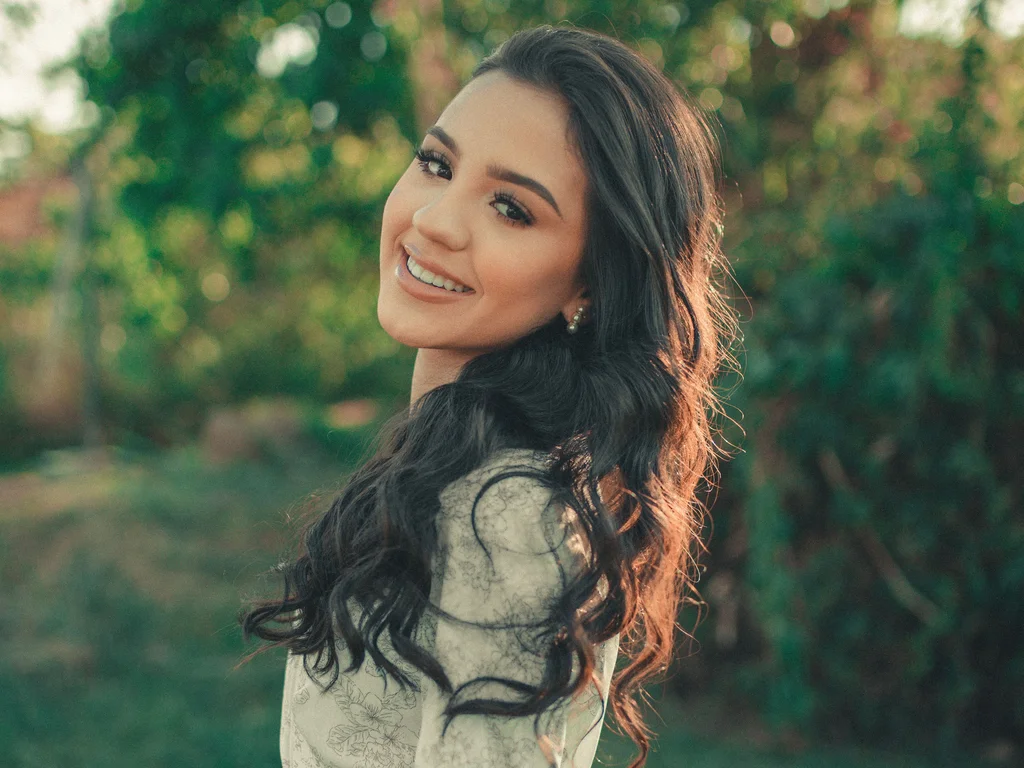
Mermaid waves are long, flowing waves that start below the cheekbones and cascade down the length of the hair, with volume through the middle and soft, separated ends. They work best on long hair that is naturally wavy or lightly curly, because the waves need length to fall properly. Create them by curling large sections away from the face with a wide-barrel curling iron, letting each curl cool completely, then brushing through gently with your fingers and misting with a light texture spray. The style takes about twenty-five minutes, holds for a full day, and suits parties, photos, weddings, and beach days. Protect the length with a weekly mask and regular trims, because damaged ends ruin the whole effect.
20. Long Hair With Face-Framing Curtain Layers.
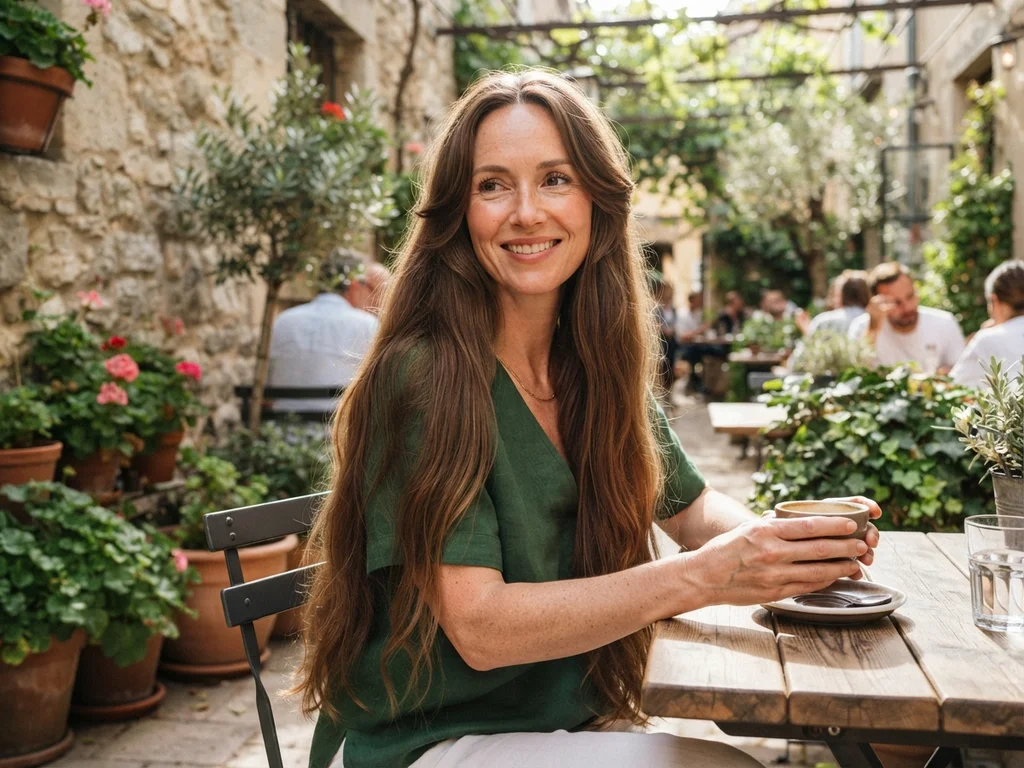
Face-framing curtain layers are long layers that start at the cheekbones and open like curtains on either side of the face, giving long hair shape without removing length. They suit every face shape, but they are especially flattering on round and square faces because the layers create vertical lines that slim and soften. Ask your stylist for layers that begin at the cheekbones and get gradually longer toward the ends, with the shortest pieces framing the face. Style them by blow-drying the front pieces away from the face with a round brush, or by adding a soft bend with a flat iron. The cut needs a trim every ten weeks, and it grows out beautifully, which makes it the safest way to add shape to long hair without regret.
21. Waist-Length Layers With Soft Ends.

Waist-length layers with soft ends keep the drama of very long hair while removing enough weight that the hair moves instead of hanging flat. The layers are cut long and blended, and the ends are point-cut so they feel soft rather than blunt. This style suits thick hair best, because the layers remove bulk, and it works on straight and wavy hair. Ask for long, blended layers that start below the shoulders and soft, textured ends. Style it with a blow-dry using a large round brush, or let it air dry with a leave-in cream for a natural finish. Very long hair needs the most care in this guide: a trim every eight to ten weeks, a weekly deep mask, a silk pillowcase to reduce friction, and a heat protectant every time you use hot tools.
22. Long Blowout With Bouncy Layers.

The long blowout with bouncy layers is the classic salon finish: smooth roots, volume through the mid-lengths, and soft, curled-under ends that bounce when you move. It works on medium to long hair and suits every face shape. Start with a heat protectant and a volumizing mousse on damp hair, then blow-dry in sections with a large round brush, rolling each section under at the ends and lifting at the roots. Finish with a cool shot to set the volume and a light shine spray. The style takes about thirty minutes, lasts two to three days with dry shampoo at the roots, and is perfect for work presentations, dates, and any day you want to feel polished.
28 Stunning Hair Ideas: Curly Hair, Defined and Healthy
Curly hair has natural volume and movement that straight hair can only imitate, but it needs different care and different cuts to look its best. The three curly ideas below cover the most useful approaches: a wash and go routine that works with your natural pattern, a curly butterfly cut that adds shape without losing volume, and ringlet curls for special occasions. Each one explains how to keep curls defined, soft, and frizz-free, because healthy curls are the foundation of every curly style.
23. Wash and Go Curly Hairstyle.

The wash and go is a routine, not a single style: you wash, condition, apply a leave-in and a curl cream or gel to soaking wet hair, and let your curls dry in their natural pattern. It works on wavy, curly, and coily hair, and it is the healthiest daily style because it uses no heat at all. Apply products to wet hair in sections, scrunch upward to encourage the curl pattern, and either air dry or diffuse on low heat. Once the hair is fully dry, scrunch out any stiffness from the gel with a tiny amount of oil on your hands. The routine takes about fifteen minutes of hands-on time, and the results last two to three days if you protect your curls at night with a silk scarf or a pineapple ponytail.
24. Curly Butterfly Cut.
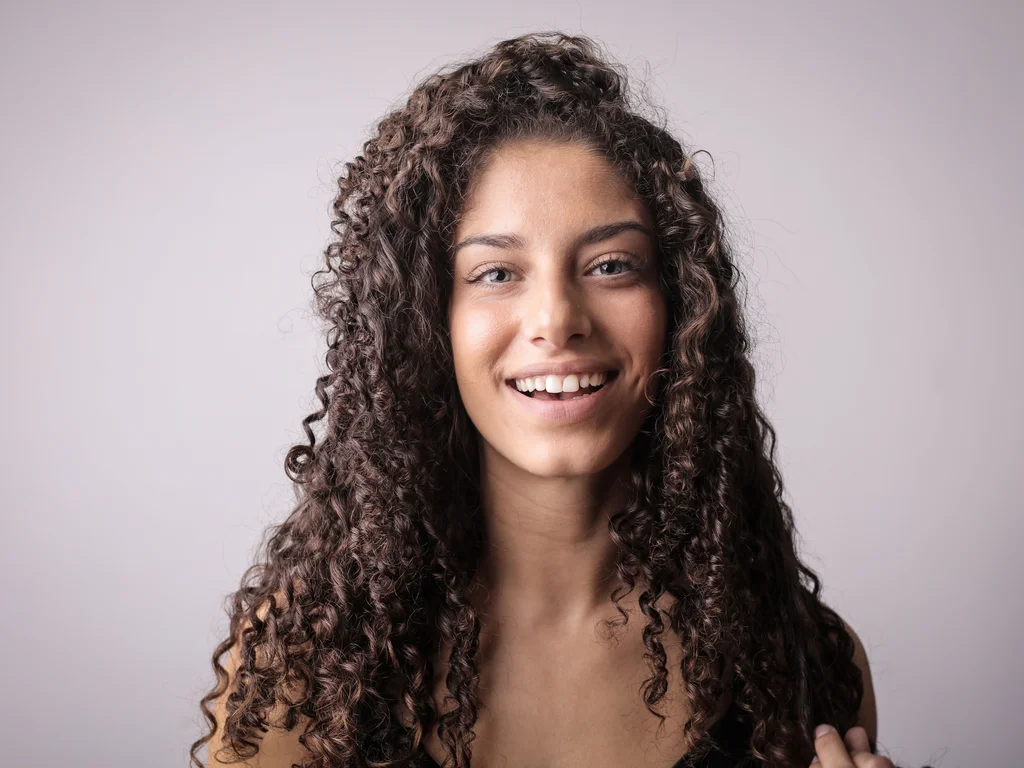
The curly butterfly cut uses long, blended layers that are shorter around the face and longer at the back, which creates the shape of butterfly wings when the curls fall. It suits curly and wavy hair best, because the layers remove weight and let the curls spring up instead of being pulled flat by their own weight. Ask your stylist for a cut done on dry, styled curls, because curly hair changes length dramatically between wet and dry, and a wet cut can end up far shorter than you expected. Style it with a curl cream on wet hair, diffuse on low heat, and finish with a light oil to reduce frizz. It needs a trim every ten to twelve weeks, and it grows out gracefully because the layers are blended.
25. Ringlet Curls for Special Occasions.
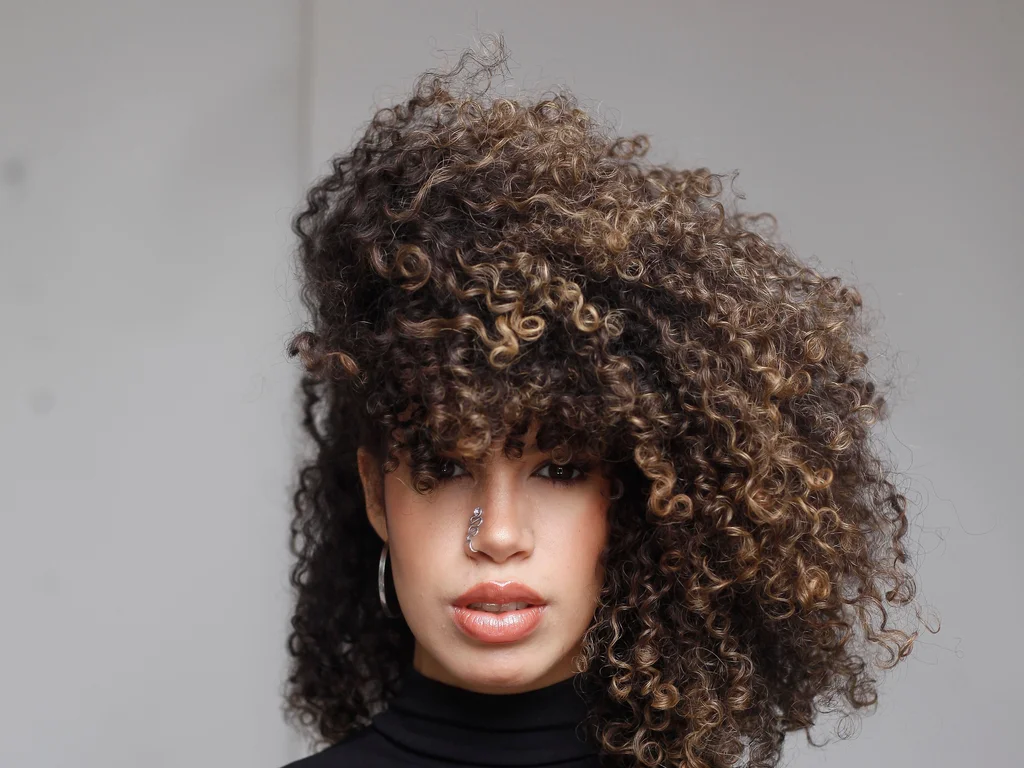
Ringlet curls are tight, defined spirals that fall in a uniform pattern, and they are one of the most striking looks you can wear to a wedding, a party, or a formal dinner. They work best on naturally curly hair, but straight and wavy hair can achieve them with a small-barrel curling iron and a strong-hold product. Work in small sections, curl each one in the same direction, let the curls cool completely before touching them, and finish with a light-hold hairspray. Do not brush them out, or the ringlets will turn into waves. The style takes about forty minutes, holds for hours, and photographs beautifully. Protect your curls the next day with a silk scarf, and refresh them with a light mist of water and leave-in conditioner.
How to Match Hair Ideas to Your Face Shape
Face shape is not a rule that limits you. It is a shortcut that helps you predict which styles will flatter you with the least effort. The table below summarizes the matching logic used by stylists, and you can use it as a quick reference before you choose from the twenty-five ideas above. Remember that hair texture, personal style, and confidence matter just as much as face shape, so treat this table as a starting point for a conversation with your stylist, not as a final verdict. If you love a style that the table suggests avoiding, ask your stylist how to adapt it — a small change in length, parting, or layering usually solves the problem.
| Face Shape | Most Flattering Ideas | Styles to Adapt Carefully | Best Parting |
|---|---|---|---|
| Oval | Almost every idea in this guide | Very heavy bangs that shorten the face | Center or side |
| Round | Long layered bob, mermaid waves, face-framing layers | Chin-length blunt cuts that add width | Deep side part |
| Square | Textured shag, curtain bangs, soft waves | Sharp blunt lines at the jaw | Side part |
| Heart | Textured French bob, chin-length shag, long layers | Volume only on top with nothing at the jaw | Center or side |
| Long | Birkin bangs, bouncy blowout, chin-length shag | Very long, straight, one-length hair | Side part with bangs |
One more factor matters as much as face shape: your hair’s natural behavior. Fine hair looks fuller with blunt lines and light layers, while thick hair needs layers that remove weight. Curly hair needs cuts that respect the curl pattern, and color shows differently on every texture — straight hair shows clean highlight lines, wavy hair blends color naturally, and curly hair catches light at every angle, which makes rich color look especially rich. For a deeper look at how to keep any style healthy, the American Academy of Dermatology’s tips for healthy hair explain the basics dermatologists recommend: gentle washing, careful detangling, and protecting hair from heat and tight styles.
Hair Color Ideas by Technique: Which Method Suits You
Choosing a hair color is really two decisions: which shade you want, and which technique will place it. Technique controls how the color grows out, how much maintenance it needs, and how natural it looks. Balayage is hand-painted and grows out softly. Foil highlights are more defined and uniform. Ombre creates a clear transition from dark roots to light ends. Color melt blends a few shades so smoothly that you cannot see where one ends and the next begins. The table below compares the six most useful techniques, so you can walk into a color appointment knowing exactly what to ask for and what the upkeep will be.
| Technique | Effect | Grow-Out | Maintenance | Best For |
|---|---|---|---|---|
| Balayage | Soft, sun-kissed, hand-painted lightness | Very soft, no harsh line | Every 3 to 4 months | Natural dimension, low upkeep |
| Foil Highlights | Defined, uniform lightness | Visible regrowth line | Every 6 to 8 weeks | Bright, even blonde or dimension |
| Ombre | Dark roots fading to light ends | Intentional, no line to hide | Every 3 to 4 months | Bold contrast, long hair |
| Color Melt | Several shades blended seamlessly | Soft and gradual | Every 8 to 12 weeks | Multi-tonal, dimensional color |
| Money Piece | Bright face-framing lightness | Visible at the hairline | Every 6 to 8 weeks | Instant brightness, low cost |
| Root Smudge | Shadow at the root that blends regrowth | Extends time between visits | With any color service | Softening regrowth lines |
Before any color service, ask your colorist three questions: how much lift will my natural color need, how will this grow out, and what will the home care routine look like? The answers tell you the true cost of a color, which is not just the appointment price but the months of care that follow. If you are growing your hair longer, the Cleveland Clinic’s guide to hair growth explains what actually helps hair grow — balanced nutrition, gentle styling, limiting chemical treatments, and realistic expectations — and what is only marketing. For everyday care after coloring, Healthline’s guide to healthier, fuller hair covers diet, washing, conditioning, and heat habits that keep colored hair soft and strong.
Hair Care and Maintenance: Keep Every Style Looking Its Best
A beautiful hairstyle lasts only as long as the hair underneath it is healthy. The care routine below is organized by hair type, because straight, wavy, curly, and coily hair need different washing schedules, different products, and different handling. The most common mistake people make is copying a routine meant for a different hair type: washing curly hair every day strips the moisture it needs, while washing fine straight hair once a week leaves it flat and oily. Use the table as your starting routine, then adjust it over two or three weeks based on how your hair responds. Healthy hair is not complicated, but it is consistent, and small daily habits matter more than expensive products used once in a while.
| Hair Type | Wash Frequency | Conditioning | Styling Rules | Trim Schedule |
|---|---|---|---|---|
| Straight, fine | Every 1 to 2 days | Light conditioner, ends only | Low heat, volumizing mousse | Every 6 to 8 weeks |
| Straight, thick | Every 2 to 3 days | Regular conditioner, mid-lengths to ends | Heat protectant always | Every 8 weeks |
| Wavy | Every 2 to 3 days | Light leave-in, scrunch to define | Sea salt spray or curl cream | Every 8 to 10 weeks |
| Curly | Every 3 to 5 days | Rich conditioner, leave-in every wash | Wide-tooth comb, diffuser on low | Every 10 to 12 weeks |
| Coily | Every 7 to 14 days | Deep conditioner weekly, oils to seal | Protective styles, silk at night | Every 10 to 12 weeks |
| Color-treated | Every 2 to 3 days, cool water | Color-safe conditioner, weekly mask | Heat protectant, limit hot tools | Every 6 to 8 weeks |
Key Points: Daily Hair Care That Works
- Detangle from the ends upward, never from the roots down, and use a wide-tooth comb on wet hair.
- Let hair air dry partway before blow-drying, and always use a heat protectant with hot tools.
- Keep brushing to a minimum — over-brushing causes split ends and breakage.
- Do not wear tight ponytails, braids, or buns every day, because constant tension can cause hair loss over time.
- Sleep on a silk or satin pillowcase to reduce friction, frizz, and breakage overnight.
- Trim on schedule even when you are growing your hair out — split ends travel upward and cost you more length later.
If you want more hair inspiration in one place, start at our Home page, browse the full Hair Ideas category for every hair guide on this site, and check our Blog for the newest ideas as they are published. Hair care also connects to the rest of your look: our Colors and Palettes category can help you find shades that match your hair color, and our Home and Decor Ideas category shows how to create a calm, beautiful space for your morning routine.
Hair Ideas for Every Occasion
The right hairstyle changes with the moment, and the best way to plan is to match the style to the day you actually have. For work, choose styles that look neat and stay out of your face: the slicked back bun, a smooth blowout, or a neat long layered bob. These take five to twenty minutes, hold all day, and look professional in any setting. For a job interview, keep it simple and tidy — a clean blowout or a low bun shows confidence without distraction, and it photographs well if the meeting is on video. For a wedding, whether you are the bride or a guest, choose styles that survive a long day: the halo braid, old Hollywood waves, or ringlet curls all hold for hours and look beautiful in photos. For a party or a night out, pick something with movement and shine, like mermaid waves, a bouncy blowout, or a textured shag with a bold lip. For vacation, braids are the smartest choice because they protect your hair from sun, salt water, and wind while looking easy. And for everyday life, the wash and go, the half-up twisted crown, and the messy bun are the styles you will actually repeat, because they take ten minutes or less and still look intentional. If you are planning a celebration, our Flower Ideas category can help you match fresh flowers to your hairstyle for weddings and parties.
Three quick bonus styles round out the twenty-eight ideas in this guide, and they are the ones to reach for on mornings when you have almost no time. The messy bun takes two minutes: gather your hair loosely, twist it, pin it, and pull a few strands free around your face. The sleek low ponytail takes three minutes: brush everything back smoothly, secure it at the nape, and wrap a small strand around the elastic to hide it. Sleek straight hair takes ten minutes with a flat iron on low heat and a shine serum, and it works for work, interviews, and evenings alike. These three need no new cut and no new color, which is why they belong in every complete guide to hair ideas.
Season matters too. In hot weather, short cuts, braids, and updos keep you cool and keep sweat from ruining your style. In cold weather, long hair and protective braids shield your ends from dry air, and a silk scarf under a hat prevents breakage. In humid weather, work with your natural texture instead of fighting it — curly hair looks best with curl cream and a diffuser, and straight hair holds a sleek bun better than a blowout that will fall flat in an hour. The smartest approach is to own two or three go-to styles for each season, so you are never stuck trying a new technique on a morning when you are already late.
Common Hair Mistakes to Avoid
Most hair problems come from a small number of avoidable mistakes. The first is choosing a style from a photo without considering your hair type, which leads to cuts that need daily heat styling to look right. The second is skipping trims while growing your hair out, which lets split ends travel upward and forces a bigger cut later. The third is using the highest heat setting on every tool, every day, without a heat protectant — heat damage is permanent, because the hair above your scalp cannot heal itself, so prevention is the only fix. The fourth is washing with very hot water and rough towel-drying, both of which strip moisture and rough up the hair surface. The fifth is wearing the same tight hairstyle every single day, which pulls on the same follicles and can cause permanent hair loss over time. The sixth is coloring without a patch test or without asking about grow-out, which leads to surprise regrowth lines and allergic reactions. Avoid these six mistakes and most hairstyles will look better, last longer, and cost you less in repairs. If you ever need help or want to suggest a topic for a future guide, you can reach us through our Contact Us page, and you can learn more about who we are on our About Us page.
Frequently Asked Questions
How do I choose the best hair idea for my face shape?
Start by finding your face shape in a mirror with your hair pulled back, then use the face-shape table in this guide as a starting point. Oval faces suit almost every style, round faces look best with height on top or length at the sides, square faces soften with layers and waves, heart shapes balance with volume around the jaw, and long faces look best with bangs or shorter lengths. Then check your hair type and maintenance level before you decide, because a style that suits your face but fights your texture will frustrate you every morning. When in doubt, bring two or three photos to your stylist and ask which one fits your hair best.
Which hair idea is easiest for beginners to style at home?
The slicked back bun and the half-up twisted crown are the easiest styles in this guide, because both take five to ten minutes and need only a brush, a hair tie, and a few pins. The wash and go is the easiest routine for curly hair, because it uses no heat at all. If you want a cut that is easy every day, the long layered bob and the modern textured shag are the most forgiving, since they look good air-dried and grow out well.
How often should I trim my hair to keep it healthy?
Short styles like pixies and bixies need a trim every four to six weeks to keep their shape. Medium cuts like bobs need a trim every six to eight weeks. Long hair needs a trim every eight to twelve weeks, and curly hair can usually wait ten to twelve weeks. Trimming on schedule is important even when you are growing your hair out, because split ends travel up the hair and force a bigger cut later.
What is the lowest maintenance hair color in this guide?
Lived-in blonde balayage and espresso brown balayage are the lowest maintenance colors here, because the color is painted away from the roots and grows out softly without a harsh line. Both can wait three to four months between appointments. The highest maintenance colors are solid platinum blonde and vivid fashion shades, which need root work or tone refreshes every four to six weeks.
Can I do a halo braid or a waterfall braid on short hair?
A full halo braid needs at least medium-length hair to wrap around the head, so it is difficult on short hair. A waterfall braid also needs length for the falling pieces to show. On short hair, try a small side braid, a twisted front section pinned back, or a half-up style instead — these give you the same romantic feel without needing length you do not have.
How do I stop my hair color from fading so fast?
Wash with cool water two or three times a week instead of daily, use a sulfate-free color-safe shampoo, and use a weekly mask made for colored hair. Limit heat styling and always use a heat protectant, because heat fades color quickly. For red and plum tones, a color-depositing conditioner every two weeks keeps the tone rich. A gloss treatment at the salon every six weeks also seals the color and adds shine.
What should I ask my stylist before a big haircut or color change?
Ask four questions: will this style work with my natural texture, how much daily styling will it need, how often will I need trims or color appointments, and how will it grow out. Bring photos of what you like and photos of what you do not want, and be honest about your budget and your morning routine. A good stylist will adjust the idea to fit your real life instead of copying a photo exactly.
Which styles in this guide work best for curly hair?
The wash and go, the curly butterfly cut, and ringlet curls were designed for curly hair, and the modern textured shag and the half-up twisted crown also work beautifully on curls. For color, balayage and color melt look especially rich on curly hair because the curls catch light at different angles. The most important rule for curly hair is to get cuts done on dry, styled curls, because curly hair changes length a lot between wet and dry.
Conclusion
A great hairstyle is not the most fashionable one. It is the one that fits your hair, your face, your routine, and your life, and that still makes you feel confident when you catch your reflection in a mirror. This complete guide to hair ideas gave you twenty-eight stunning options across seven families — haircuts, hairstyles, hair colors, braids, short hair, long hair, and curly hair — plus the tools to choose well: a four-step decision process, three comparison tables, a face-shape guide, a care schedule by hair type, occasion matching, and honest advice about the mistakes to avoid. Start with one idea that excites you and fits your maintenance level, try it for a few weeks, and adjust from there. Your hair will tell you quickly what works.
If you are ready to go deeper, our next two guides in this Hair Ideas series cover two of the most loved styles from this pillar in full detail: the long layered bob and Textured French Bob With Wispy Bangs. Until then, bookmark this guide, save the styles you love, and use the tables whenever you need a quick answer. The best hair idea is the one you will actually enjoy wearing, and now you have twenty-eight of them to choose from.
7 thoughts on “28 Stunning Complete Guide to Hair Ideas for Every Style and Occasion”
Comments are closed.