
A simple outfit needs one clear focal point and two or three quiet supporting pieces, and that is how to accessorize a simple outfit without buying new clothes. Start with the clothes you already own, pick the one spot where the eye should land, and let every other piece back it up. A pair of gold hoops costs 10 to 30 dollars, a leather belt costs 15 to 40 dollars, and a structured bag costs 40 to 120 dollars. This guide gives you 21 steps, by accessory and then by outfit, with costs, a focal-point table, and a metal-mixing table. Our complete guide to fashion and outfit ideas shows the outfit bases to start from. Pick one focal point today, and the rest of the outfit will follow.
How to accessorize a simple outfit: pick one focal point, then add two or three quiet supporting pieces. Earrings suit the face, a belt shapes the waist, and a structured bag sets the formality. One focal point plus two supporters costs 25 to 80 dollars, and the look takes five minutes.
Step 1: Pick One Focal Point First
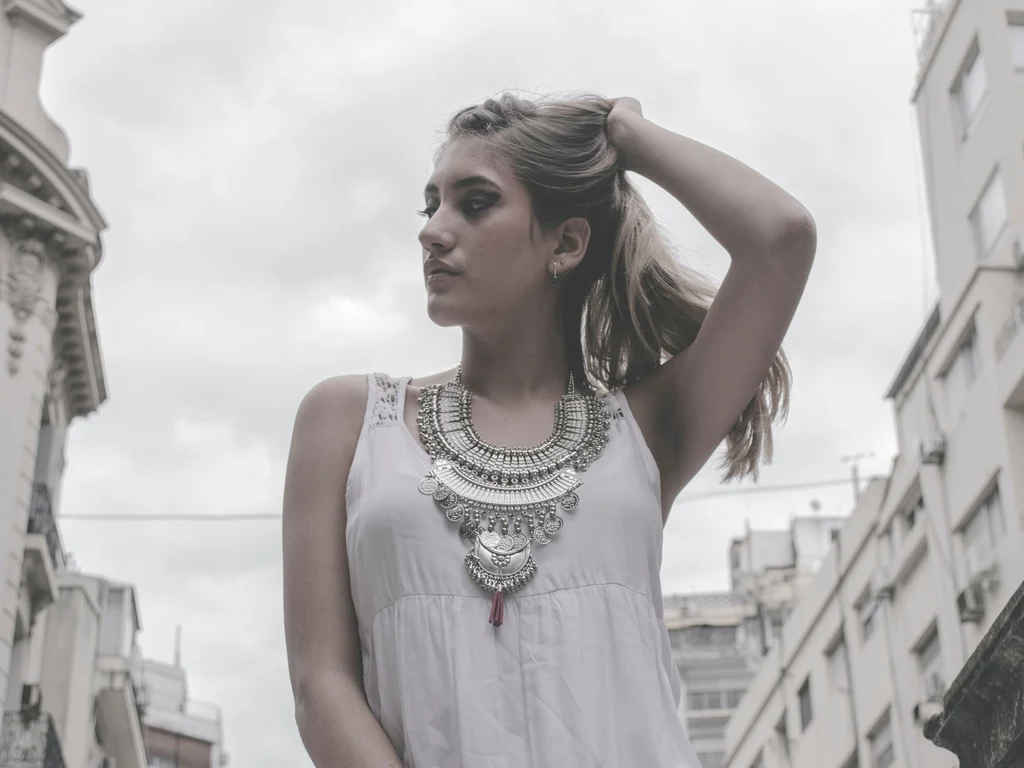
One focal point makes the whole outfit look planned, since the eye lands in one place and the rest of the look supports it. Pick the focal point before you pick anything else, and spend 20 to 60 dollars on that one piece, since it carries the look. A statement necklace, a bright bag, a wide belt, or sculptural earrings can each lead, but only one can lead at a time. Look at the outfit and ask where you want the eye to go first: to your face, to your waist, or to your bag. Name the focal point out loud, then choose two quiet pieces that sit back. If you cannot name the focal point in three seconds, take one piece off and try again.
Step 2: Start with Earrings Near the Face
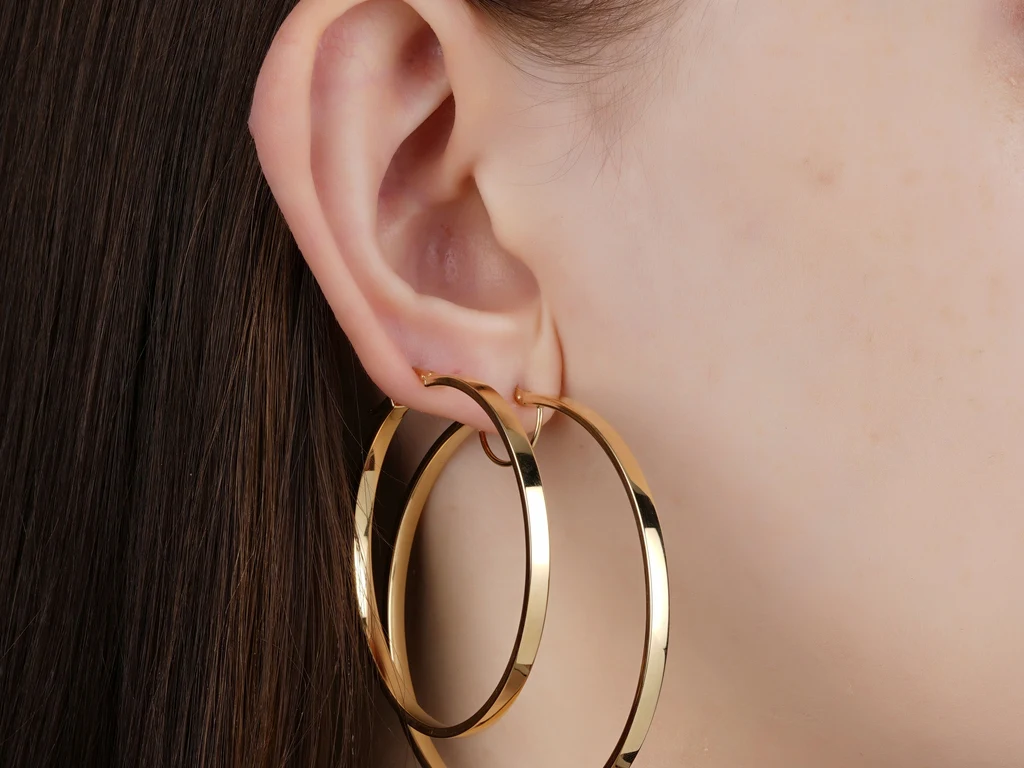
Earrings are the highest-impact accessory, since they sit beside your face in every photo and every conversation. A pair of gold hoops costs 10 to 30 dollars, and small studs cost 5 to 15 dollars, so earrings are also the cheapest place to start. Match the earring size to your hair and neckline: small hoops suit an open collar, and longer drops suit a plain neckline and hair worn back. If your hair is down and full, pick a shorter earring, since long drops hide in the hair. Put the earrings on first, then build the rest of the look around them. One pair of earrings you love will lift ten outfits. Try the earrings with your hair up and down before you decide.
Step 3: Match the Necklace to the Neckline
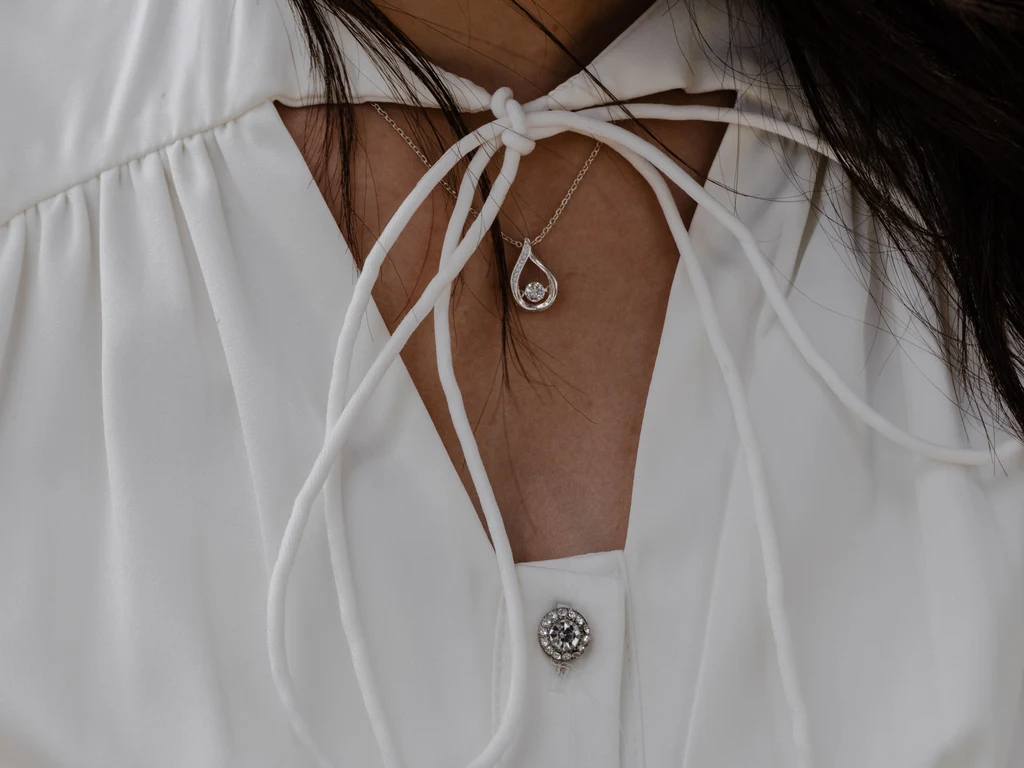
The neckline decides the necklace, since a chain that fights the collar line makes the whole outfit look off. A fine chain costs 10 to 25 dollars, and a pendant costs 15 to 40 dollars. A V-neck suits a pendant that follows the V, a crew neck suits a short collar necklace, and a turtleneck suits hoops instead of a chain. Leave the neck bare when the neckline is busy, since a necklace there adds clutter, not polish. Hold the chain against the neckline in the mirror and check where it falls before you leave. If the chain sits in the wrong spot, swap it for earrings and keep the neck clear. A pendant that sits too high looks cramped, so check the drop before you leave.
Step 4: Layer Necklaces in Two or Three Lengths

Two or three chains in clearly different lengths read as one planned layer, while two chains of the same length tangle and fight. A set of three fine chains costs 20 to 45 dollars, and you can build it one chain at a time. Space the lengths a couple of inches apart, keep one metal colour across all three, and put the heaviest or most detailed piece at the bottom. Mix textures if you like, such as a flat chain with a bead chain, but keep the metal the same. Check the layers in the mirror and move the clasp so the chains sit flat. If one chain flips over, shorten it or take it off.
Step 5: Add a Belt to Give the Outfit Shape

A belt gives a loose outfit a waist, since it breaks a long plain top into two clear parts. A leather belt costs 15 to 40 dollars, and one neutral belt works with jeans, trousers, and shirt dresses. Match the belt width to the job: a narrow belt suits a floaty dress, a medium belt is the easiest choice for jeans, and a wide belt works best over a blazer or a heavy knit. Thread the belt through the loops and check the buckle size, since an oversized buckle becomes the focal point on its own. If the shirt is oversized, tuck the front and belt the waist. One belt can rescue five shapeless outfits.
Step 6: Choose the Bag That Sets the Formality
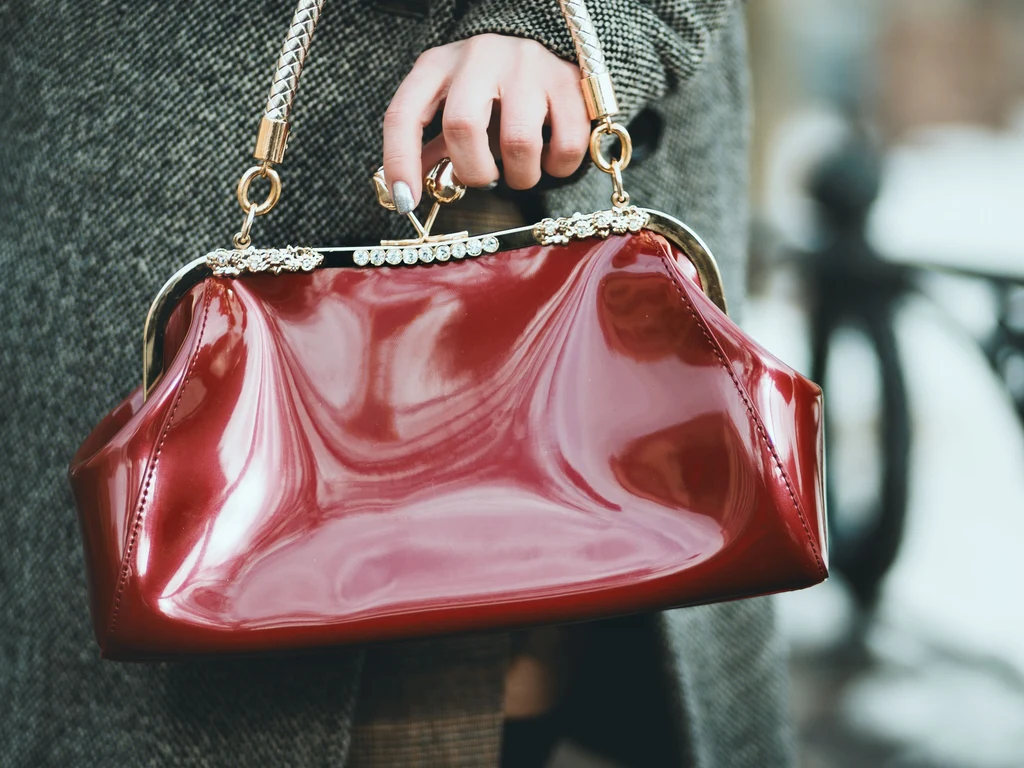
The bag sets how formal the outfit reads, since a structured bag sharpens jeans and a slouchy bag relaxes tailoring. A structured crossbody bag costs 40 to 120 dollars, and one neutral bag in tan, black, or navy works with most outfits. Pick the bag after the focal point, not before, since the bag is often the focal point itself. A small bag suits an evening look, a tote suits a work day, and a crossbody suits errands and travel. Check the hardware too, since a gold chain or silver zip counts as part of your metal mix. If the bag is bright, keep the jewellery quiet. Check the strap length too, since a bag that slides off your shoulder will annoy you all day.
Step 7: Drape a Scarf for Colour and Softness
 A silk scarf adds colour, pattern, and softness in one piece, and it costs 10 to 35 dollars for a good square. Tie it at the neck the French way, knot it on a bag handle, or wear it as a hair tie, and each way changes the mood. A patterned scarf should lead, so simplify the jewellery when the scarf is on, since two patterns near the face compete. A solid scarf in a colour pulled from the outfit ties the look together without adding a new colour. Fold the scarf once, drape it, and check the mirror. If the scarf feels fussy, tie it to the bag instead and let it sit there.
Step 8: Let Shoes Set the Mood

Shoes set the formality of the whole outfit, since the same jeans read as tailored in loafers and relaxed in trainers. A pair of tan loafers costs 40 to 90 dollars, and one good pair works with jeans, trousers, and skirts. Pick the shoes after the bag, and let the two agree on formality, not on exact colour. Tan loafers bring a tailored finish to blue denim, clean trainers suit a relaxed day, and a block heel lifts a dress for dinner. Check the shoe against the trouser hem, since the wrong length breaks the line. If the shoes pinch, change them, since sore feet show in how you walk. Our casual outfits with sneakers guide shows the relaxed side of the same choice.
Step 9: Finish Hands with Rings, a Watch and a Bracelet

Rings, a watch, and a bracelet finish the hands, since they are the detail people see when you gesture and hold things. A simple watch costs 25 to 80 dollars, a ring stack costs 10 to 30 dollars, and one of each is enough. Start with three rings on one hand, spread across two or three fingers, and mix one chunky ring with two thin ones. Leave at least one finger bare so the hand does not look crowded. A bracelet works best beside a rolled sleeve, and a watch counts as one of your three focal pieces. If the rings snag your knitwear, swap them for a smooth band. If the watch is the focal point, keep the rings small and the bracelet thin.
Step 10: Use Hair Accessories as the Final Detail

A hair accessory counts as an accessory, since a claw clip, ribbon, or scarf pulls attention up to your face. A claw clip costs 3 to 10 dollars, and a silk scarf tied in the hair costs 10 to 25 dollars. Use a clip when you want the earrings to show, since hair worn up leaves the face clear. A ribbon suits a soft dress, a claw clip suits a busy day, and a headband suits a plain top that needs one more detail. Keep the hair piece in the same metal or colour as the earrings, so the top of the outfit reads as one thought. If the clip slips, pin it twice and move on. Our halo braid hairstyle guide shows a braided style for earrings.
Step 11: Mix Metals with the 70/30 Rule
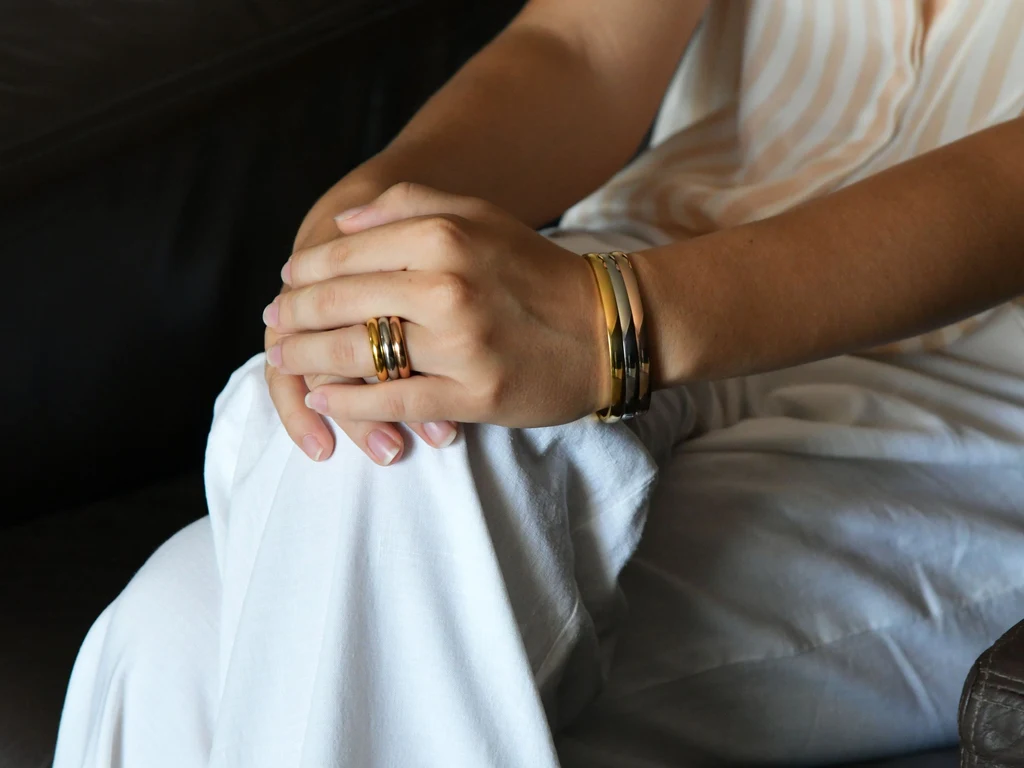
Gold and silver can be worn together, since the mix looks planned when one metal clearly leads. The 70/30 rule means about 70 percent of your visible metal is one finish and 30 percent is the other, and it costs no extra money, since you use pieces you already own. Pick gold if your skin is warm and silver if it is cool, then use the other metal sparingly. Repeat each metal at least once, so nothing looks stranded: a silver watch with a gold buckle needs a gold ring to back it up. A two-tone watch or a bag chain can act as the bridge between the two metals. If the mix still looks random, drop the accent metal and wear one finish.
Step 12: Echo One Colour from the Outfit
Echoing one colour from the outfit in an accessory makes the look feel planned, since the eye sees the same colour twice and reads it as a choice. A bag or pair of earrings in that colour costs 15 to 50 dollars, and one echo is enough. If a floral dress has a small amount of green in it, a green bag or green earrings pull the whole outfit together. The colour does not need to match exactly, since a burgundy bag with a navy dress reads as richer than a perfect match. Pick the smallest colour in the print, so the echo stays subtle. If the outfit is plain, echo the lip colour instead. Our powder blue color palettes guide shows soft colours that echo well.
Step 13: Add Texture When Colour Is Not the Answer
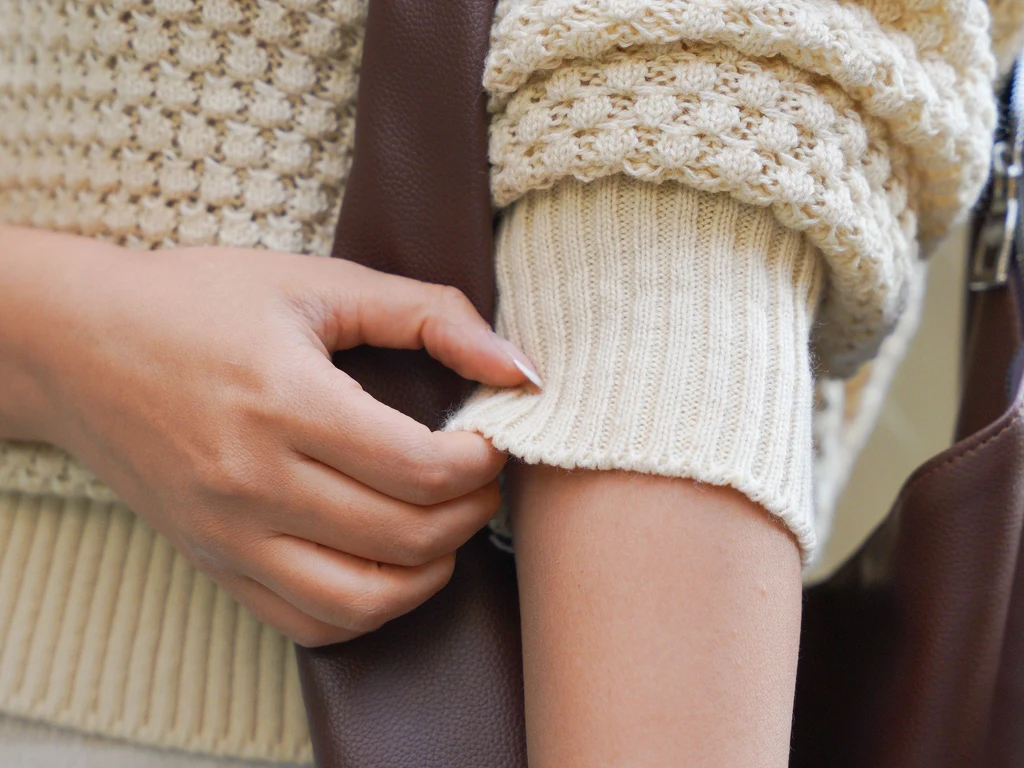
Texture adds interest when another colour would crowd the outfit, since a neutral look needs depth, not more colour. A suede bag costs 40 to 100 dollars, a silk scarf costs 10 to 35 dollars, and one textured piece is enough. Leather feels structured, suede feels soft, patent feels sharp, silk feels elegant, and pearls feel luminous, so pick the texture that matches the mood. An all-black outfit wakes up with a patent belt or a textured leather bag, and a cream knit looks finished with pearl earrings and a suede bag. Touch the pieces together first, since clashing textures feel wrong. If the outfit already has a print, skip the texture and keep it plain. Our casual outfits with linen pants guide shows linen and leather together.
Step 14: Accessorize Jeans and a White Tee
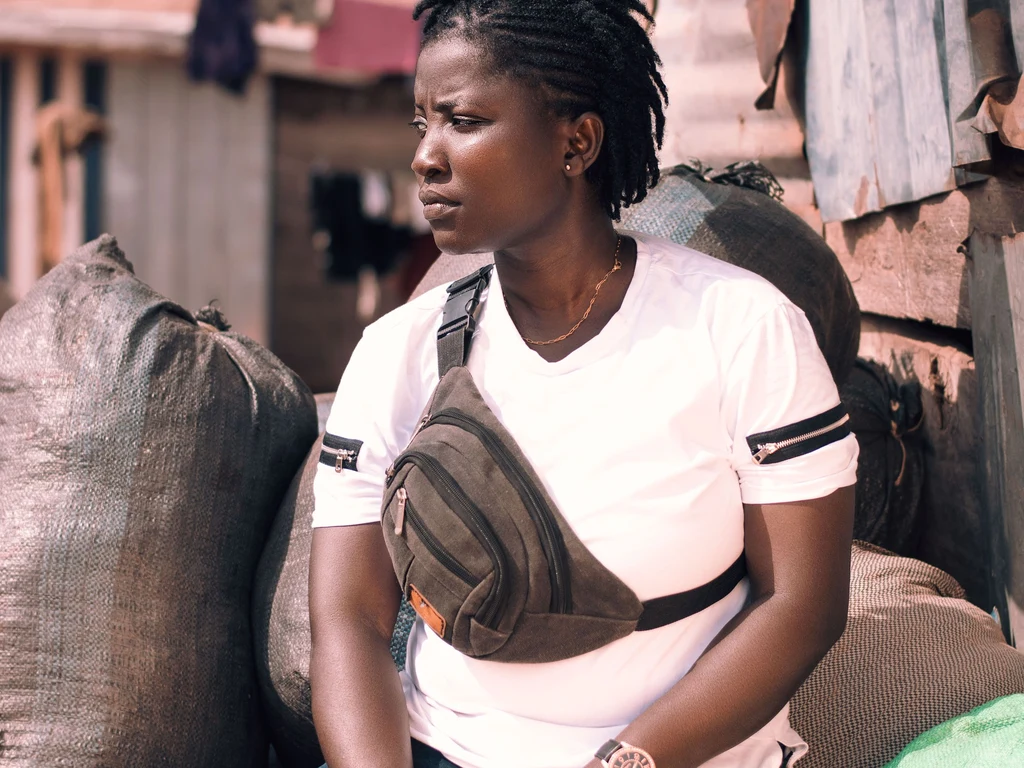
Jeans and a white tee are the easiest base to accessorize, since the plain canvas lets the accessories lead. A leather belt, small hoops, and a structured bag cost 50 to 100 dollars together, and that trio turns the base into a planned outfit. Start with the belt, since it gives the tucked shirt a waist, then add hoops near the face and a bag that sets the mood. Tan loafers bring a tailored finish, trainers keep it relaxed, and heeled ankle boots take it into the evening. If the shirt is oversized, belt it. Change only the accessories tomorrow, and the same base reads as new. Our casual outfits with jeans guide shows the base, and the Style Me UK guide styles the same look.
Step 15: Accessorize a Little Black Dress
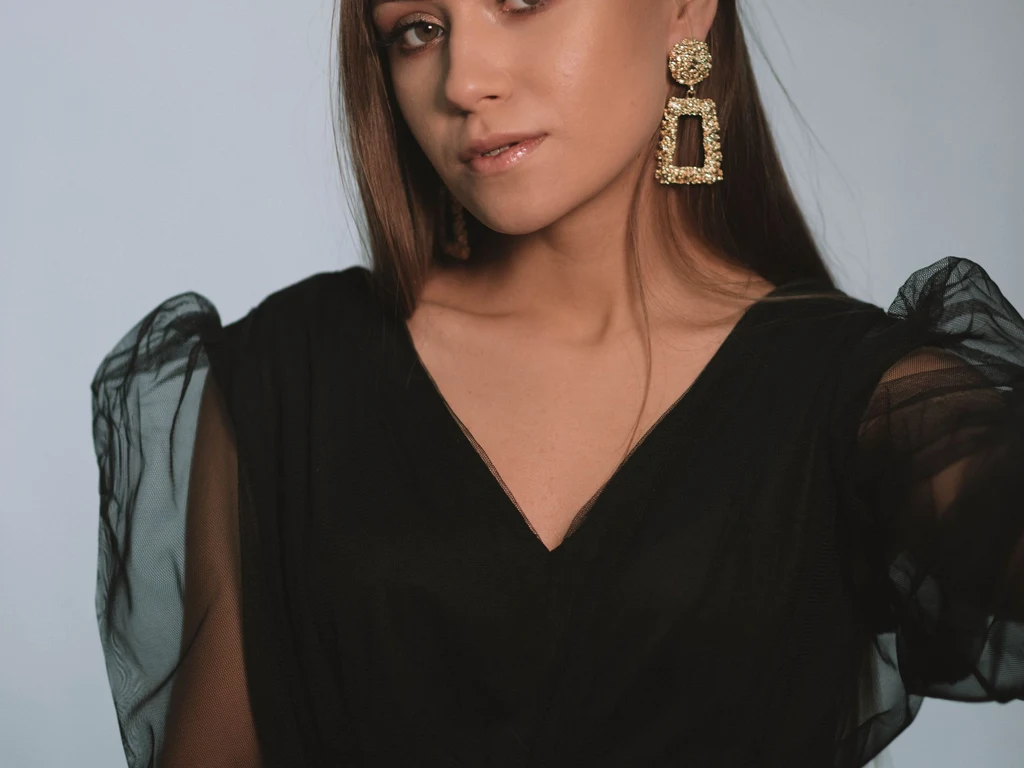
A little black dress is a blank canvas, since black takes any colour, any metal, and any level of sparkle. A pair of statement earrings costs 15 to 40 dollars, and that one piece can carry the whole dress. Pick the focal point by the neckline: a high neck suits statement earrings, and a low neck suits a pendant. Add a slim cuff and a small clutch, and keep the shoes sleek, since the dress needs nothing else. A bright bag adds colour, a metallic shoe adds shine, and a silk scarf adds softness, but pick only one of the three. If the dress is for dinner, stop at three noticeable pieces and let the dress do the rest. Our wedding flower arrangements guide plans the same palette.
Step 16: Accessorize a Blazer Without Overdoing It

A blazer already has structure, so the accessories should support it, not compete with it. A silk scarf costs 10 to 35 dollars, and a watch costs 25 to 80 dollars, and those two quiet pieces are often enough. Check the blazer first: strong shoulders, large lapels, or a checked pattern call for quieter accessories, while a plain blazer can take a scarf, a brooch, or a more distinctive bag. For work, small hoops, a watch, and a structured tote are reliable. A wide belt over a blazer is a clear statement, so wear it only when you want the waist to lead. If the blazer feels busy, take one piece off. Our how to style a blazer for casual days guide shows the blazer styled down.
Step 17: Accessorize a Simple Midi Dress
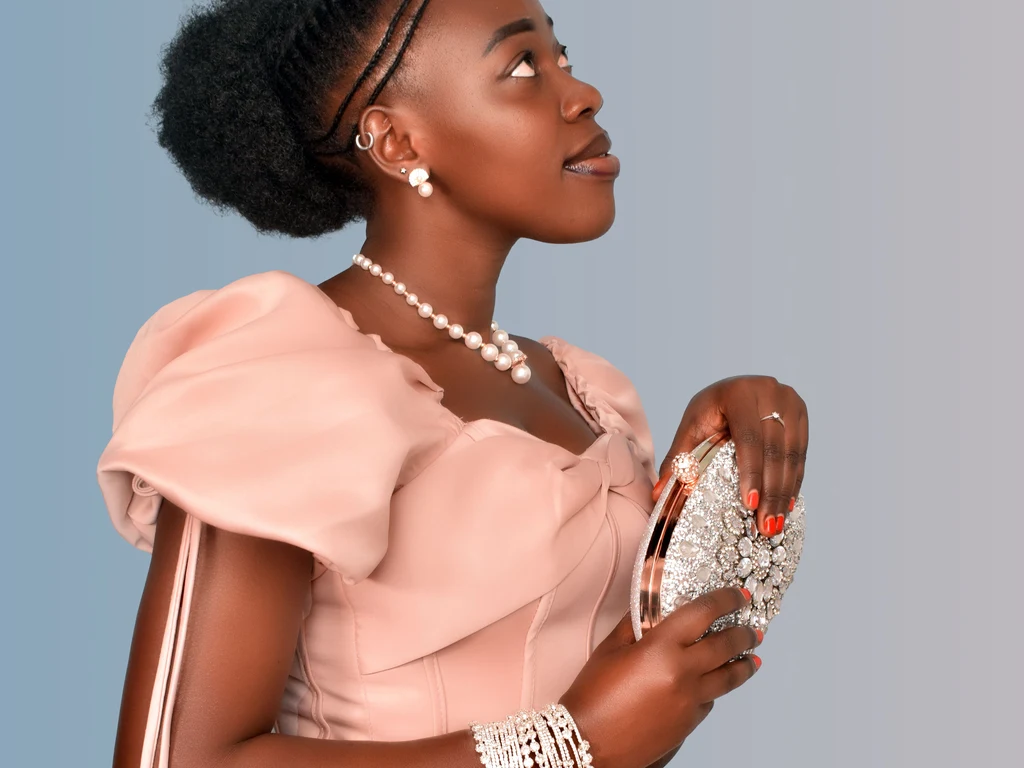
A simple midi dress changes its occasion with the accessories, since the same dress can work for dinner, a celebration, or a wedding. Pearl drop earrings cost 10 to 30 dollars, and they draw attention to the face without crowding the neckline. Choose one focal accessory first, then let the shoes and bag work together: metallic sandals and a small champagne clutch suit an evening, while simple leather shoes and a softer bag suit the daytime. If the earrings are decorative, skip the necklace, since two pieces near the face compete. Check the practical side too: the venue, the walking distance, and whether the bag holds what you need. One focal piece keeps the dress elegant. Our wedding decoration ideas guide plans the same occasion look.
Step 18: Accessorize a Monochrome Outfit
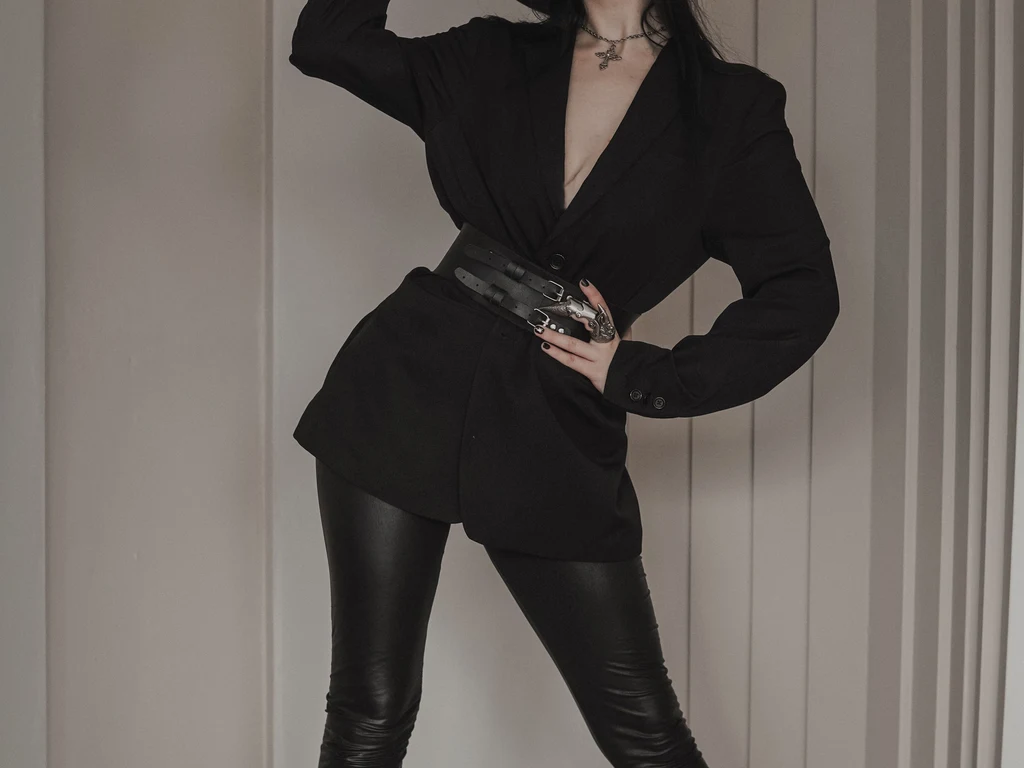 A monochrome outfit needs texture and metal, not more colour, since one colour alone can read as flat. A patent belt costs 20 to 45 dollars, and a pair of pearl earrings costs 10 to 25 dollars, and those two pieces add depth without adding a colour. Mix finishes inside the one colour: matte knit with shiny leather, soft wool with brushed metal, or suede with patent. A mixed-metal watch works here too, since the metals add shine while the clothes stay one colour. Keep the bag in the same colour family. If the outfit still feels flat, add one contrast piece, such as a burgundy bag with a navy base, and stop there. Our casual monochrome outfits guide shows the same base.
Step 19: Do the Three-Second Mirror Check
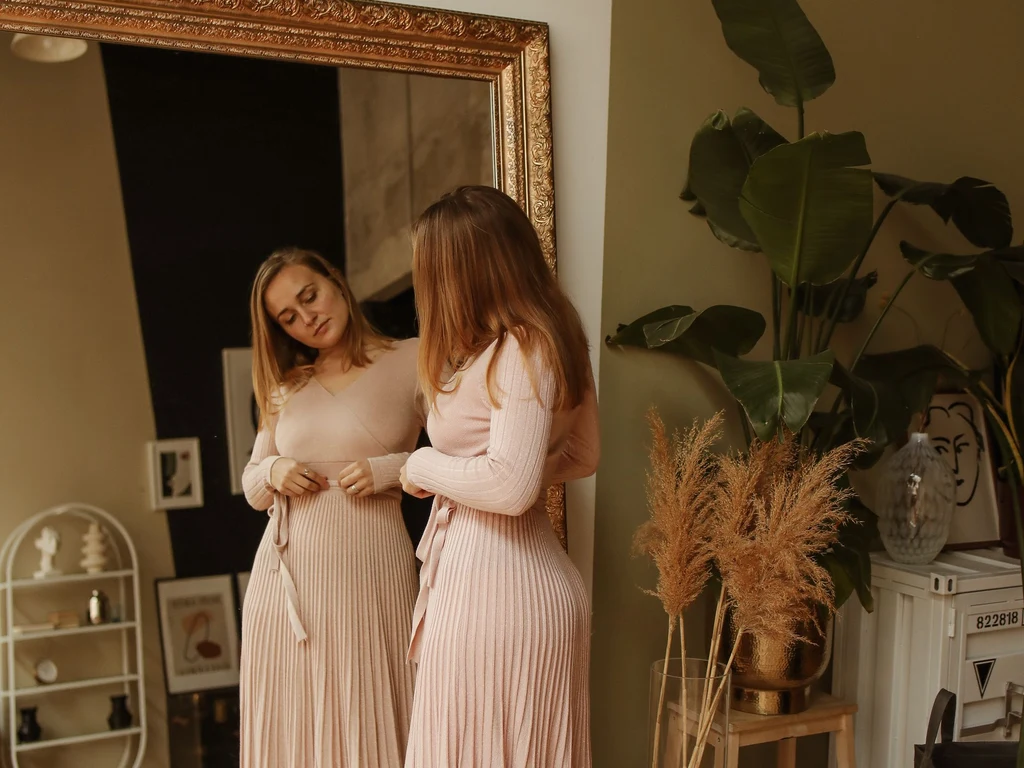
The three-second mirror check catches a busy outfit before you leave, since it forces you to name the focal point fast. Stand back from the mirror and name the focal point in three seconds, and it costs no extra money, since the check uses only your eyes. If you cannot name it, the outfit needs editing, so take one piece off. Next check the triangle: the top area, the waist or hand area, and the bag or shoe area should feel balanced, not crowded in one place. Then check that one detail repeats, such as a metal, a colour, or a texture, so the look feels connected. Finally, remove anything uncomfortable, noisy, or impractical, since a piece that annoys you will come off by noon.
Step 20: Build a 3-3-3 Capsule of Accessories
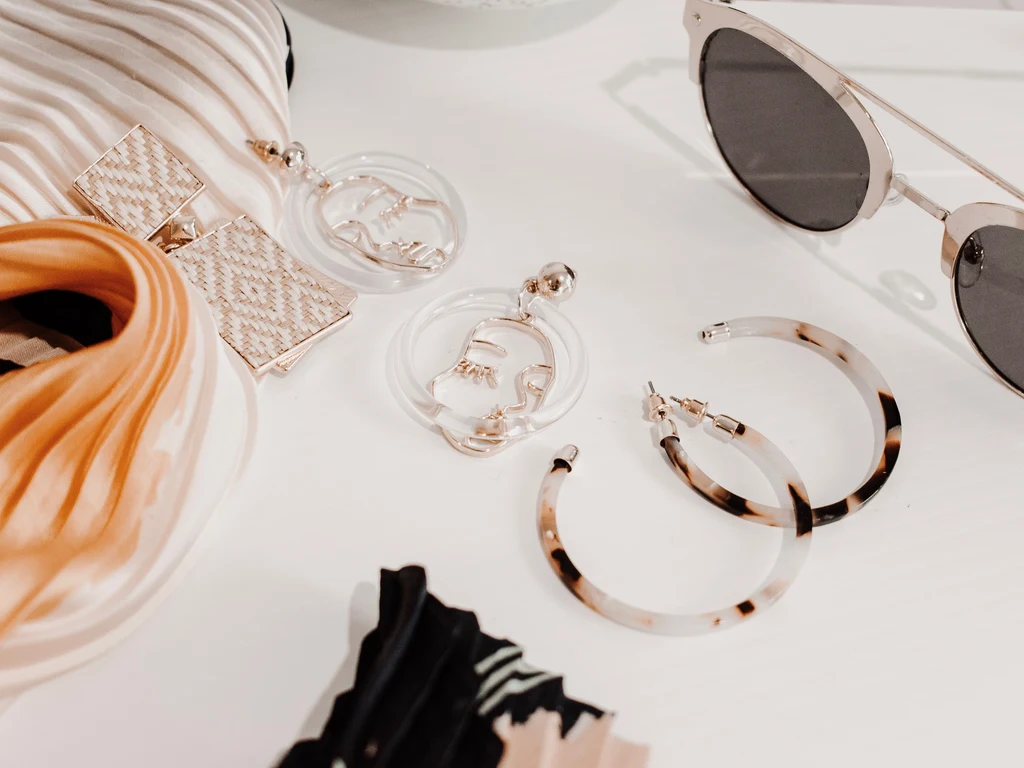
A 3-3-3 capsule keeps accessories minimal, since three bags, three jewellery groupings, and three seasonal extras cover every outfit you own. Three bags cost 120 to 300 dollars in total if you buy mid-tier pieces, and they last for years. Pick one structured bag, one crossbody, and one evening bag, then three jewellery groupings that each work with every outfit. Test every candidate against three outfits before it earns shelf space, and if a piece only works with one outfit, skip it. Buy the mid tier first, since that is where durability and price balance out. A small capsule means every piece gets used. Our casual matching sets guide shows the same idea, and the HJ Accessories guide sets out the 3-3-3 rule.
Step 21: Pack a Five-Minute Accessory Kit for the Day
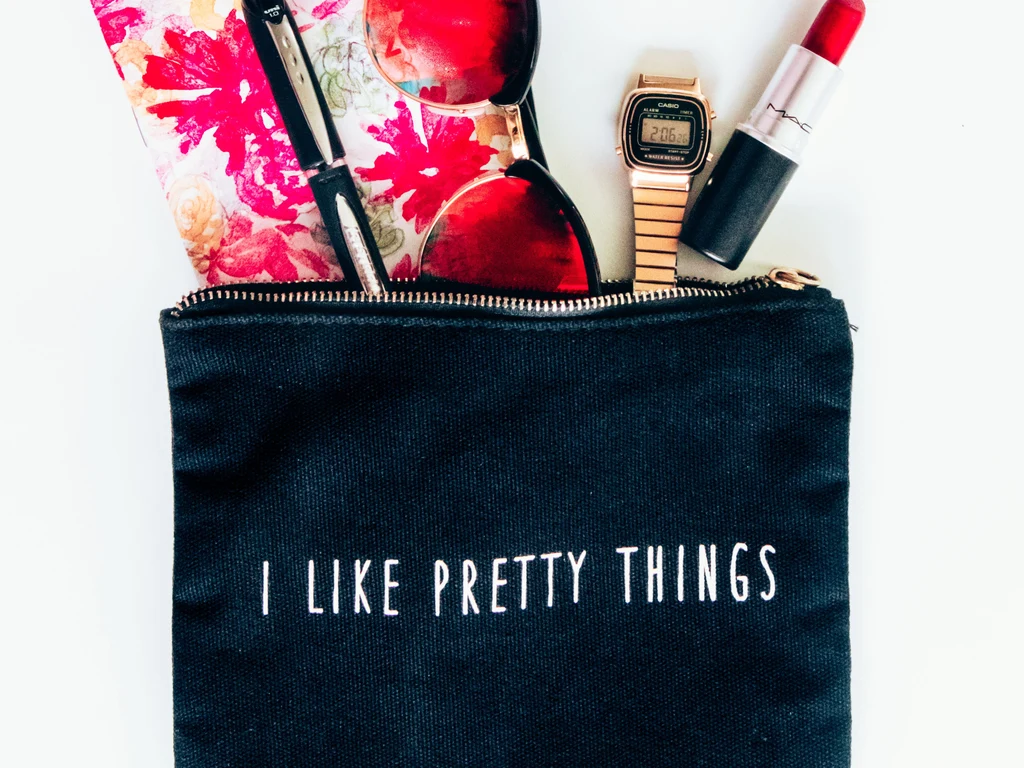 A five-minute kit means you can fix or change a look without going home, since the kit lives in your bag. A small pouch with spare earring backs, a safety pin, a hair tie, and a lint roller costs under 10 dollars, and it saves the day more than once. Pack the kit the night before, and check it against the next day’s outfit: one spare pair of studs, one neutral scarf, and one extra hair clip cover most problems. If an earring back goes missing, the spare studs save the look. Keep the kit small, since a heavy kit stays at home. Five minutes of packing buys a full day of calm. Check the kit once a week, and refill anything you used.
How To Accessorize A Simple Outfit: The One Focal Point Table
Use this table to pick a focal point that fits the outfit, since each focal point suits a different base and needs different supporting pieces. A statement necklace suits a plain top, a bright bag suits jeans, and a wide belt suits a dress that needs shape. Pick the row that matches your outfit, then keep the other pieces quiet. The table also shows what to leave out, since a focal point only works when nothing else fights it. Read the keep-quiet column before you add a second bold piece, and the outfit will stay clean. A focal point also saves money, since one good piece beats five cheap ones that fight each other. One focal point plus two quiet supporters is the whole method.
| Focal Point | Best With | Keep Quiet |
|---|---|---|
| Statement earrings | Plain top, hair worn up | Necklace, busy scarf |
| Bold necklace | V-neck, scoop neck, open collar | Statement earrings, patterned scarf |
| Wide belt | Loose dress, oversized blazer | Big bag, bold shoes |
| Bright bag | Jeans and a white tee, black dress | Bright shoes, statement jewellery |
| Silk scarf | Plain knit, tailored blazer | Patterned top, bold necklace |
| Statement shoes | Simple dress, cropped trousers | Bright bag, bold belt |
| Hair accessory | Plain top, simple dress | Big earrings, bold necklace |
| Watch and bracelet stack | Rolled sleeves, tailored shirt | Chunky rings, big cuff |
How To Accessorize A Simple Outfit: The Metal-Mixing Table
Use this table to mix metals without the mix looking random, since the 70/30 rule is what makes two metals read as planned. Pick the dominant metal first, then add the accent metal in one or two places, and repeat it so nothing looks stranded. The table shows which pairs work, which metal leads, and which outfit each pair suits best. A bridge piece, such as a two-tone watch or a bag chain with both metals, ties the mix together. If the outfit already has a strong colour or print, keep the metal mix minimal, since too many finishes crowd the look. Shiny metals sit neatly with other shiny metals, while brushed finishes look calmer together. One dominant metal plus one accent is enough.
| Metal Mix | Dominant Metal | Accent Metal | Best With |
|---|---|---|---|
| Gold and silver | Gold, 70 percent | Silver, 30 percent | Warm skin, navy dress |
| Silver and gold | Silver, 70 percent | Gold, 30 percent | Cool skin, black outfit |
| Gold and rose gold | Gold, 70 percent | Rose gold, 30 percent | Blush tones, cream knit |
| Silver and gunmetal | Silver, 70 percent | Gunmetal, 30 percent | Grey tones, tailored blazer |
| Rose gold and silver | Rose gold, 70 percent | Silver, 30 percent | Pink shades, soft dress |
| All gold | Gold, 100 percent | None | Warm skin, evening look |
| All silver | Silver, 100 percent | None | Cool skin, work look |
| Black metal and gold | Black metal, 70 percent | Gold, 30 percent | Edgy outfit, black dress |
Key Points
- A simple outfit needs one focal point, and two or three quiet pieces support it.
- Earrings are the highest-impact accessory, since they sit beside your face.
- Match the necklace to the neckline, since a chain that fights the collar looks off.
- A belt gives a loose outfit a waist, and a structured bag sets the formality.
- Mix metals with the 70/30 rule, so one metal leads and the other accents.
- Echo one colour from the outfit, since the repeat makes the look feel planned.
- Texture adds depth when another colour would crowd a neutral outfit.
- Do the three-second mirror check, and take one piece off if you cannot name the focal point.
Frequently Asked Questions
How many accessories should I wear at once?
Three noticeable accessories is a good starting number, with one as the statement and two as quiet supporters. A simple outfit can handle more, since the clothes leave room, while a printed or detailed outfit needs fewer, since the pattern already does the work. Count only the pieces people notice: a statement piece, a bag, and a pair of earrings make three, while small studs and a plain watch often do not count. As you get more confident, you can break the rule on purpose, such as stacking rings, but start at three so you learn what each piece adds. If the outfit feels busy, take one piece off and check the mirror again. Three is the number to start at.
Can I mix gold and silver jewellery?
Yes, you can mix gold and silver jewellery, and the mix looks planned when one metal clearly leads. Use the 70/30 rule: about 70 percent of your visible metal is one finish and 30 percent is the other, since equal amounts look confused. Warm skin suits gold as the lead, while cool skin suits silver, and the other metal stays as the accent. Repeat each metal at least once, so nothing looks stranded, and a two-tone watch or a bag chain can act as the bridge. Keep the mix minimal when the outfit already has a strong colour or print. The Maallure editor’s guide uses the same 70/30 rule for mixed metals. A mixed-metal watch can act as the bridge, since it holds both finishes in one piece.
Do my bag, shoes and belt have to match?
No, your bag, shoes, and belt do not have to match, since matching exactly can look dated and a related finish looks more modern. The three pieces only need to relate through colour, texture, mood, or hardware, so a tan belt, a chocolate bag, and cream shoes can work better than a perfect set. Match the formality instead: a structured bag with polished shoes, or a slouchy bag with relaxed trainers. A gold buckle on the belt and a gold chain on the bag tie the look together without matching. If the outfit is for work, a closer match reads as more polished, so match more there. A black belt with a gold buckle and a gold chain bag can work, since the gold appears more than once.
How do I accessorize a simple outfit on a budget?
Accessorize a simple outfit on a budget by starting with the pieces you already own, since most people own enough accessories and only need to edit them. A pair of gold hoops costs 10 to 30 dollars, a leather belt costs 15 to 40 dollars, and a silk scarf costs 10 to 35 dollars, so one focal point plus two supporters costs 25 to 80 dollars. Buy the mid tier first, since that is where durability and price balance out, and test each new piece against three outfits before you buy it. Shop your own drawer first, then buy the one missing piece. One good bag beats five cheap ones that all do the same job.
What is the easiest accessory to start with?
Earrings are the easiest accessory to start with, since they sit beside your face, cost the least, and change the whole outfit in one move. A pair of gold hoops costs 10 to 30 dollars, and small studs cost 5 to 15 dollars, so the first buy is cheap. Pick small hoops if you want one pair that works with jeans, knitwear, and occasion outfits, since hoops suit most necklines and most hair. Start with the earrings, then add the rest of the look around them. If the earrings feel heavy, swap them for studs, since comfort matters more than size. One pair you love will lift ten outfits. Studs suit a high neckline, since they sit close to the ear and never catch on fabric.
How do I accessorize a black outfit?
A black outfit is a blank canvas, since black takes any colour, any metal, and any level of sparkle. Silver or gold jewellery, a coloured bag, or a signature colour in your socks or hair clip will stand out right away, and a coloured bag costs 30 to 80 dollars. Pick one of those as the focal point, then keep the rest quiet, since black needs only one strong detail. A patent belt or a textured leather bag adds depth without adding colour, and mixed metals add shine. If the black outfit is for the evening, a statement earring and a small shoulder bag are enough. Stop at three noticeable pieces. Our how to wear monochrome outfits guide shows the same one-colour base.
Can I wear a statement necklace and statement earrings together?
No, a statement necklace and statement earrings together usually fight, since both pieces demand attention near the face and the eye does not know where to land. Pick one of the two as the focal point, and keep the other quiet: bold earrings with a bare neck, or a bold necklace with small studs. The 1-2-3 rule from the Your Era beginner guide makes the same point, since it caps the look at one statement and two supporters. If the necklace is the lead, add a simple bracelet and a neutral bag. If the earrings lead, skip the necklace and add a belt or a bag. One lead piece keeps the outfit clear. A scarf can lead instead, since it sits away from the face and adds colour.
How do I accessorize for work without overdoing it?
Accessorize for work by keeping the look to three quiet pieces, since a workplace outfit needs polish, not sparkle. A watch costs 25 to 80 dollars, small hoops cost 10 to 25 dollars, and a structured tote costs 40 to 120 dollars, and that trio suits most offices. Skip pieces that are noisy, distracting, or hard to manage, since a jangling bracelet or a dangling earring reads as unprofessional. Match the metals to each other and keep the colours neutral, since a calm finish reads as more polished. In a creative office, you have more room for colour or a larger earring. If in doubt, take one piece off before you leave. A silk scarf at the neck softens a blazer, and it costs 10 to 35 dollars.
Conclusion
How to accessorize a simple outfit comes down to one focal point, two quiet supporters, and a three-second mirror check. Start with the earrings, add a belt or a bag, and let the shoes set the mood. Use the focal-point table to pick the lead piece, and the metal-mixing table to keep gold and silver looking planned. Our complete guide to fashion and outfit ideas lists the outfit bases to start from, and our Dream Creative World home page lists every guide on the site if you want more ideas. Pick one focal point tomorrow, wear it all day, and change one detail next time. The outfit will look planned, personal, and ready for the week ahead.