
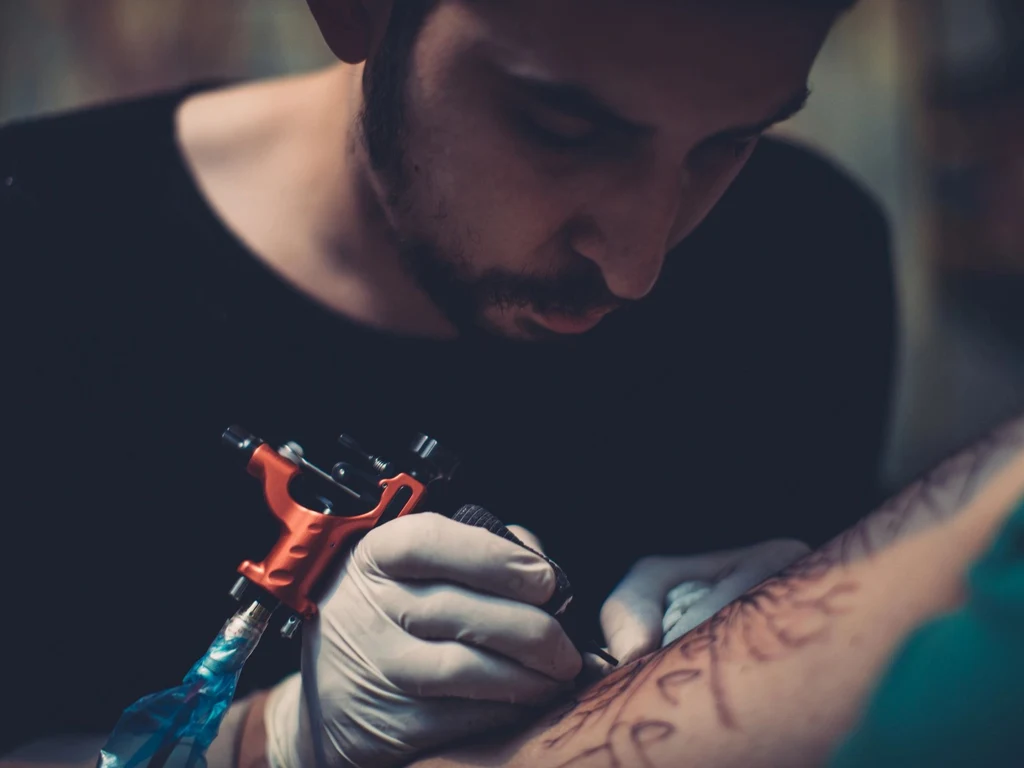
Getting your first tattoo is a big choice, and this guide shows you how to choose your first tattoo in 29 clear steps, from the first idea to the last day of healing. You will learn how to pick a design with real meaning, choose a size and spot that fit your life, find a safe artist, and set a budget in dollars that covers the tattoo, the tip, and the aftercare. Each step gives you a plain check you can do before you book, so you walk into the studio calm and sure. Start with our complete guide to tattoo ideas to see the full range of designs, then work through the steps in order and take your time.
The short answer to how to choose your first tattoo is to start with one meaning, then pick a simple design and a low pain spot like the upper arm or outer thigh. Set a budget of 200 to 400 dollars for a tattoo, find a licensed artist, check healed work, test the design, and plan three weeks to heal.
1. Ask Yourself Why You Want One

Every good first tattoo starts with one honest answer, so ask yourself why you want ink on your skin before you look at any photos. Some people want to mark a life event, like a birth, a loss, or a hard year they got through. Others love a picture, a word, or a shape, and they want to carry it with them each day. Both reasons are fine, but they lead to different designs, so write your reason in one short line and keep it where you can see it. If the reason is pure looks, give yourself room to change the art as you shop. A clear why keeps you from picking a design you will tire of fast.
2. Live With the Idea for Six Months

A tattoo stays on your skin for life, so give your idea time to prove it is not just a passing mood. Print the design or save it on your phone, then look at it each week for six months and watch how you feel. If you still love it after a season has passed, the idea has real staying power. If you grow bored or start to doubt it, that is useful news, and it costs you nothing to learn it now. Many artists ask first-time clients to wait, and the Tiggy Tattoos guide to choosing your first tattoo calls this the six-month rule for a reason. A design that survives six months of daily life is one you can trust.
3. Pick One Meaning to Carry
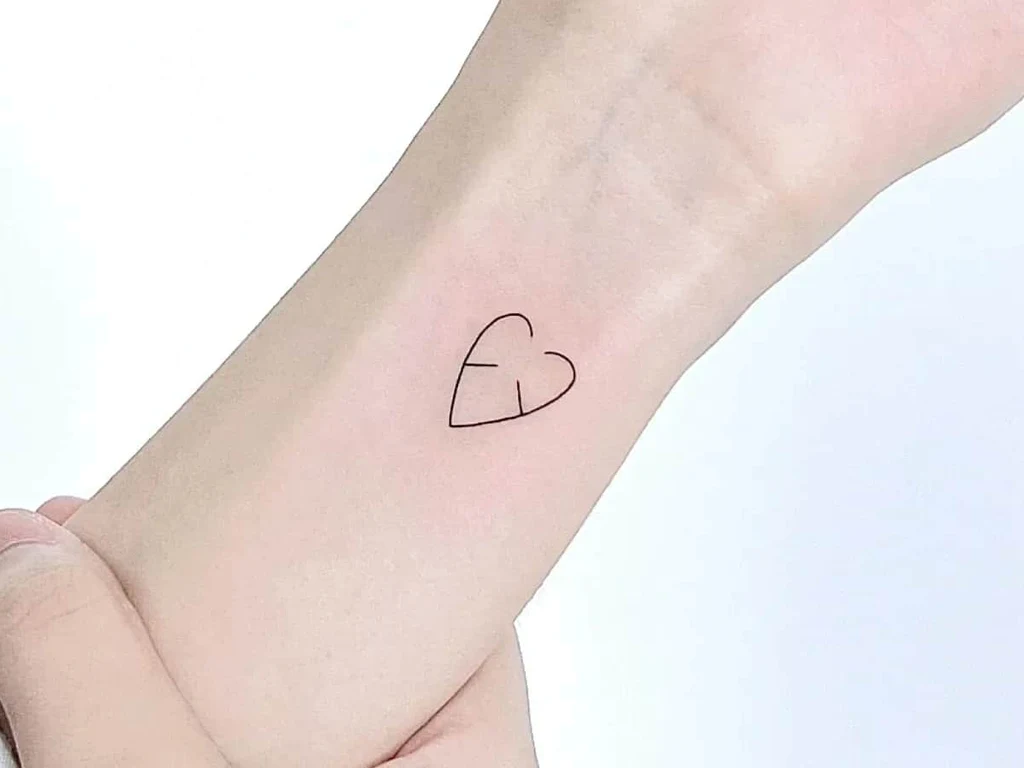
One strong meaning beats five weak ones, so pick a single idea your tattoo will carry and let the rest go. A date, a word in a loved one hand, a small symbol of a place, or a mark of a hard win can all work, as long as the meaning is yours. Read our small tattoos with meaning guide to see how a tiny mark can hold a full story without extra lines. If you need five minutes to explain it, the design may be too busy for a first tattoo. Keep the meaning close to your own life, not to a trend you saw online. A tattoo that means one true thing will still feel right ten years from now.
4. Make a Short List of Designs You Love
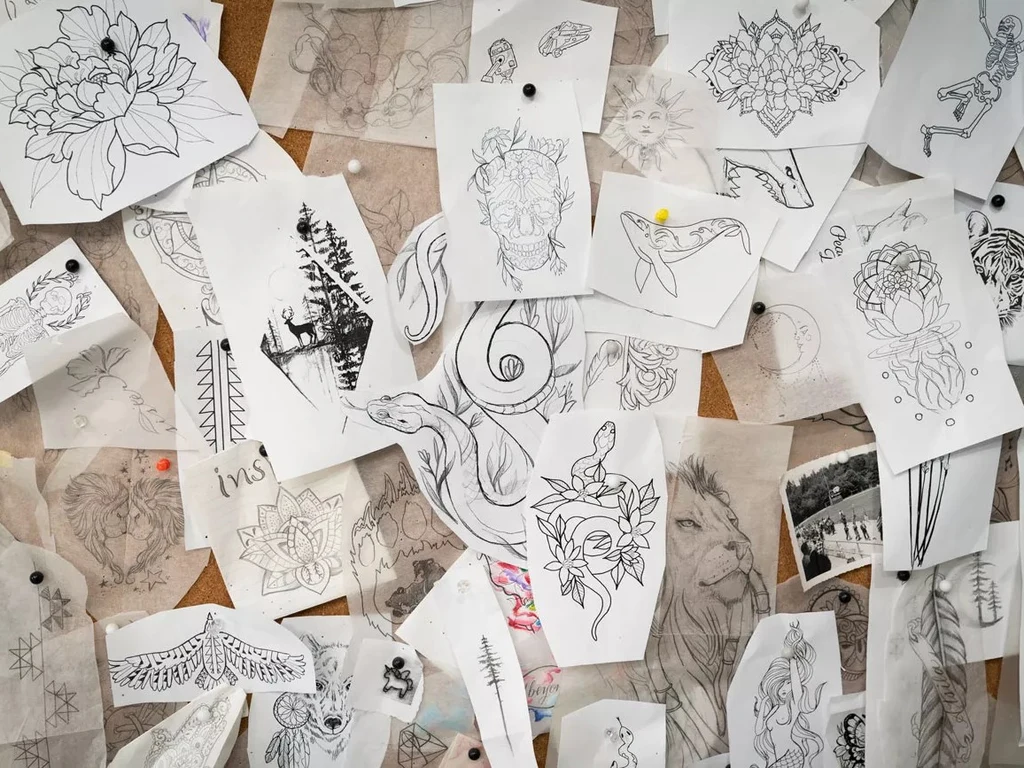
Once your meaning is clear, gather ten designs you like and save them in one folder on your phone. Pull from artist pages, books, and real skin you have seen, not just one app feed. A rose, a bird, a line of text, or a small star may show up again and again, and that is your style talking. See our flower bouquet ideas guide if a floral design tempts you, since real flowers show how petals and stems truly sit. Cut the list to three favorites, then sleep on those three for a week. Keep only designs that fit your size and spot, since a large scene will not fit a small wrist. The one you still open first is the design to take to an artist.
5. Choose a Simple First Design
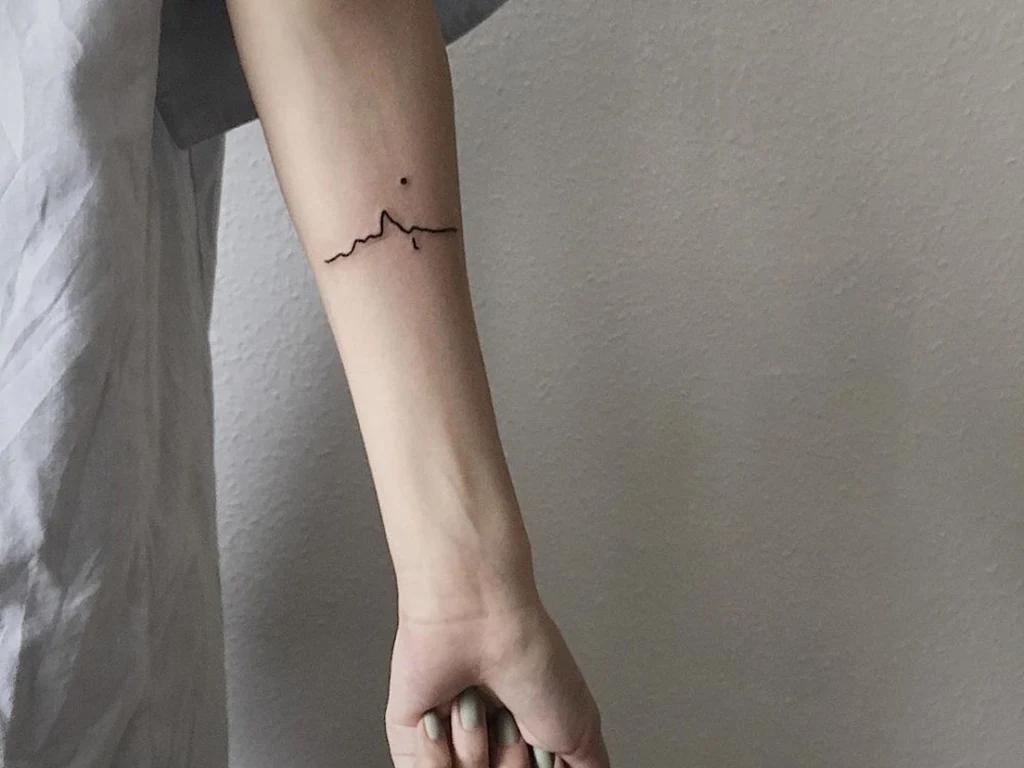
Your first tattoo should be simple, since simple art heals well, reads well from a distance, and costs less. Bold lines, one clear shape, and a little empty skin around it will still look sharp after ten years. Fine detail can blur as skin ages, and a first piece is the wrong place to test tiny text or a dense scene. Our small tattoos for women guide shows how a small, clean design can feel complete on its own. Aim for a design with one focal point, like a single flower, a small animal, or three short words. Leave room around it in case you want a second tattoo nearby later. A simple first tattoo also means a shorter sit, which is kinder to a nervous beginner.
6. Pick a Style That Suits Your Whole Look
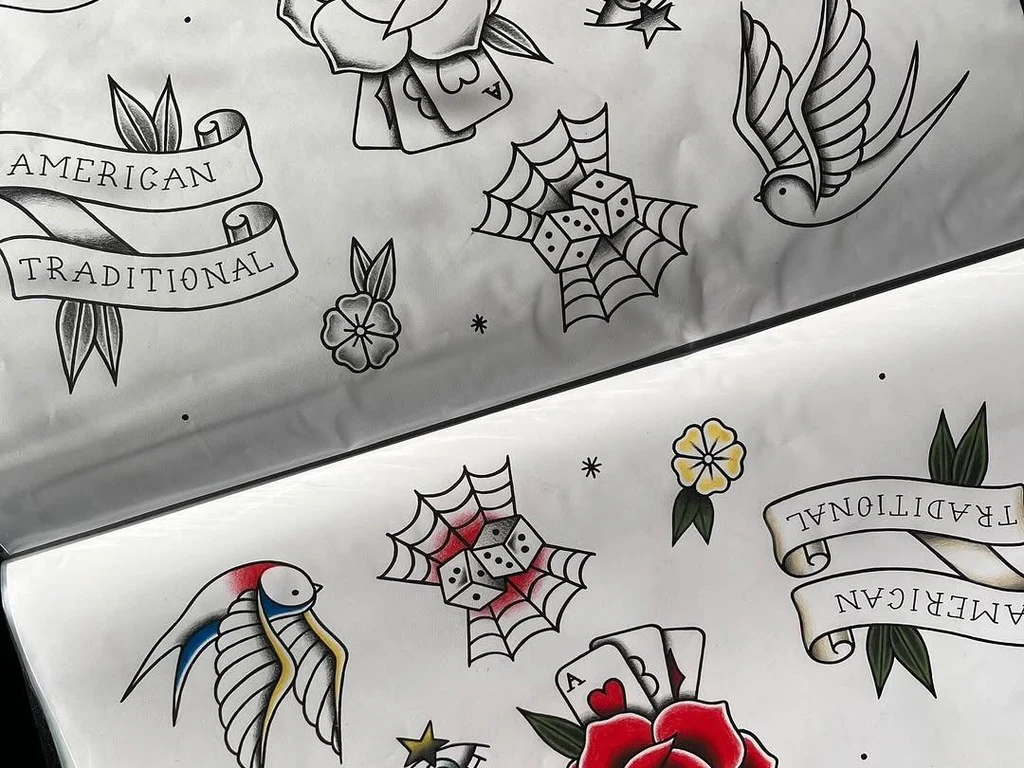
Tattoo style is the look of the art, so pick one that fits your clothes, your hair, and your daily life. Fine line uses thin, light lines and suits soft, small designs. American traditional uses bold black lines and flat color, and it ages well on most skin. Blackwork uses solid black shapes and suits strong, graphic ideas. Realism copies photos, but it needs a large space and a top artist to work. Look at your whole look, from your hair to your shoes, and ask if the style fits it. Our complete guide to hair ideas can help you see how one style choice shapes the rest. Pick the style first, then find an artist who works in it every day.
7. Decide Black Ink or Color
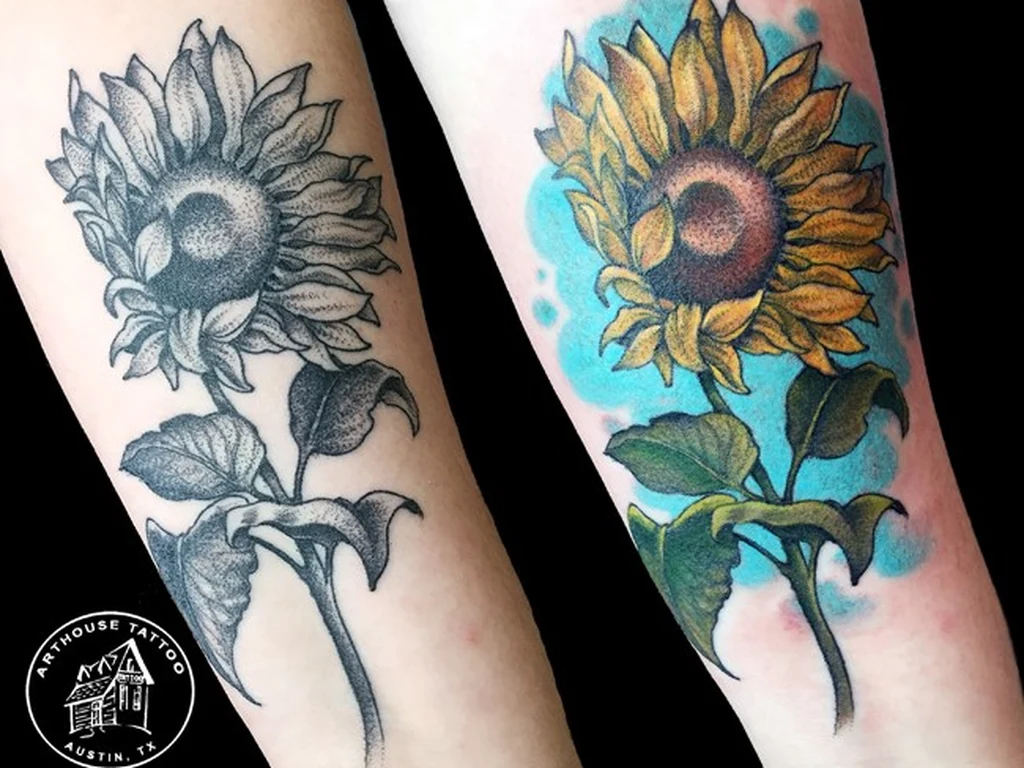
Black ink and color ink age in different ways, so choose with your skin tone and your plans in mind. Black and grey work on every skin tone, heal with less fuss, and cost less than a full color piece. Color adds life to flowers, birds, and fruit, but light colors like yellow and pale pink can fade fast on some skin. Our complete guide to colors and palettes shows how shades sit next to each other, which helps you see if your colors will clash or blend. Ask your artist which colors hold best on your skin tone, since they have seen hundreds of healed pieces. A color tattoo also needs more sun care, so plan for that.
8. Learn How Tattoos Age on Skin
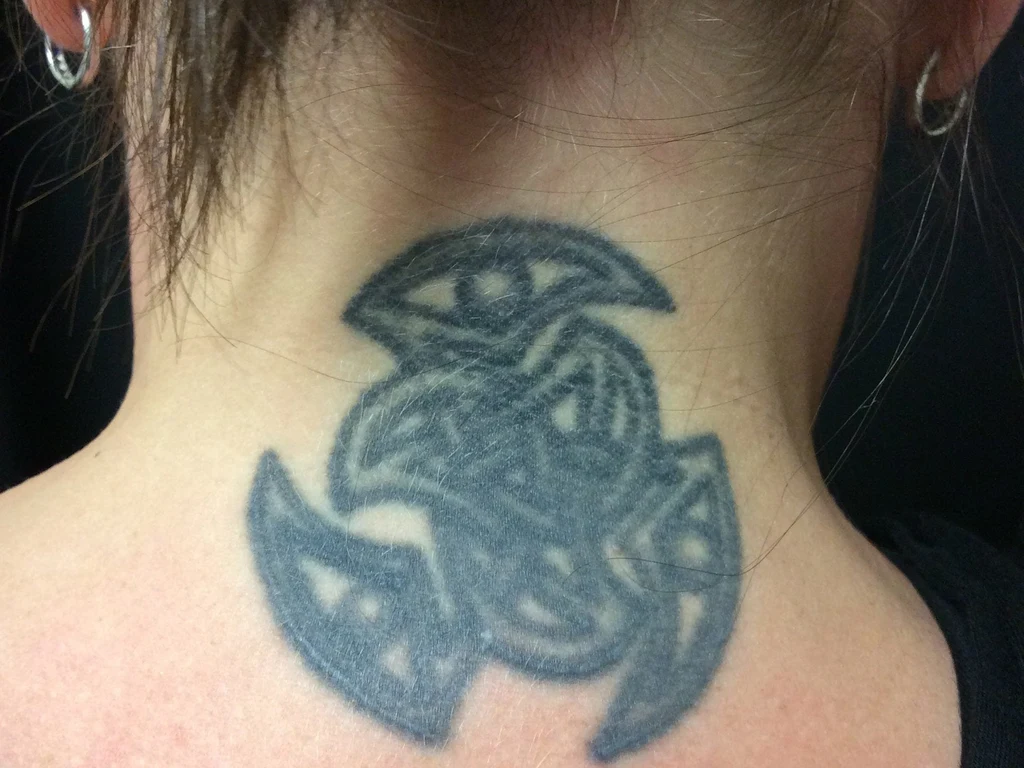
A fresh tattoo looks crisp and bright, but skin changes over the years, so learn what aging does before you commit. Thin lines can spread a little, small gaps can close up, and bright colors can soften in the sun. A design with bold lines and open space will still read well after a decade, while tiny text can turn into a soft blur. Ask your artist to show you photos of their work healed for two years or more, not just fresh photos from the day of the session. A tattoo on a spot that moves a lot, like a finger, fades faster than one on a calm spot like the upper arm. Plan for a touch-up in five to ten years.
9. Set Your Size in Inches

Size changes the price, the pain, and the look, so set your size in inches before you talk to an artist. A small tattoo of one to two inches fits a wrist, an ankle, or the back of the neck. A medium tattoo of three to four inches fits a forearm, a shoulder, or a calf. A large tattoo of five inches or more needs a thigh, a back, or a full upper arm. Measure the spot with a soft tape and mark the size with a pen, then look in the mirror from two steps back. A design that looks big up close can look small on the body, so trust the mirror, not the phone screen.
10. Pick a Placement That Fits Your Life
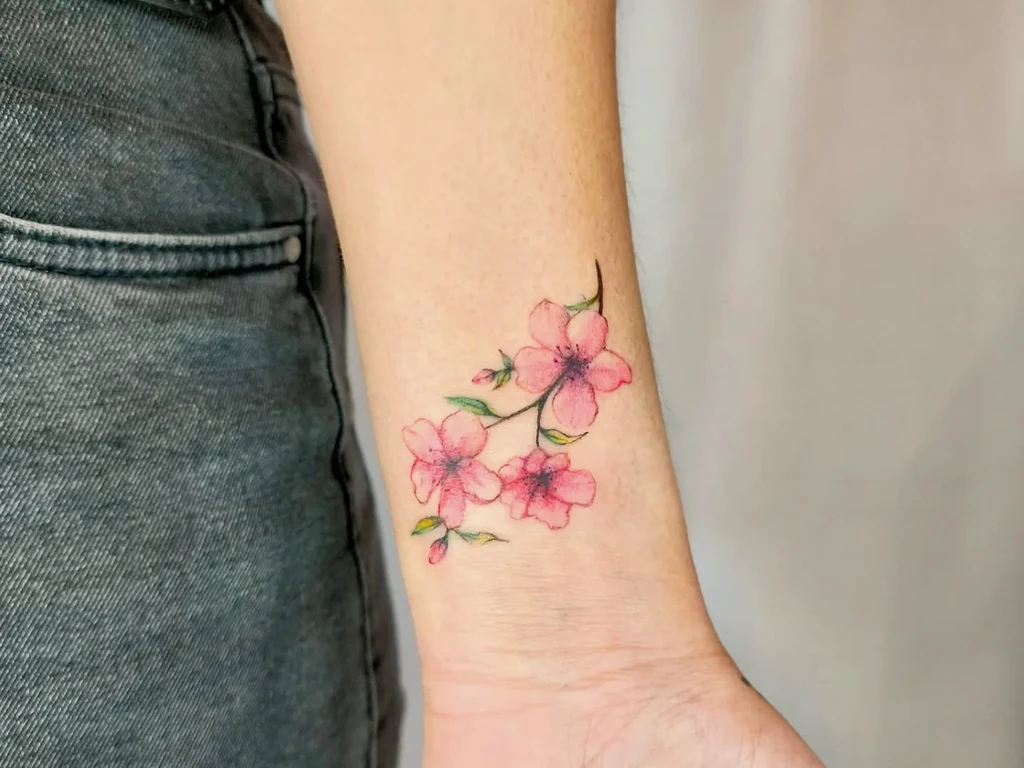
Placement is where the tattoo sits, and it shapes who sees it, how much it hurts, and how it heals. Think about your job first, since some workplaces still ask staff to cover tattoos. Think about your clothes next, since a tattoo on the forearm shows in a short sleeve, while one on the upper arm hides under most shirts. Our small wrist tattoos guide shows how a visible spot can work for people who want to see their art each day. Pick a flat spot with smooth skin, since curved or wrinkled skin makes the art harder to read. A spot with smooth, flat skin also takes ink better than a spot with scars or stretch marks, so check the skin first.
11. Check the Pain Level of Your Spot
Tattoos hurt, but the pain changes a lot by spot, so check the pain level before you choose. Spots with more fat and muscle, like the outer thigh, the upper arm, and the calf, tend to hurt less. Spots with thin skin over bone, like the ankle, the wrist, the ribs, and the spine, tend to hurt more. Our small ankle tattoos guide shows how a bony spot feels, since the ankle has very little padding. Pain also shifts with your sleep, your food, and your stress on the day, so a calm, rested body hurts less. Most people say the pain feels like a long scratch or a hot cat scratch, and it fades fast once the needle stops.
12. Skip Hands, Neck, and Face for a First Tattoo

Hands, neck, and face tattoos look bold, but they are the wrong pick for a first tattoo. These spots are hard to hide, they fade fast from sun and washing, and they can close doors at work or in formal settings. A hand tattoo also hurts more, since the skin is thin and the bones sit close to the surface. Start with a spot you can cover with normal clothes, like the upper arm, the thigh, or the shoulder blade. You can always add a visible tattoo later, once you know how your skin heals and how you feel about ink. Artists often refuse face tattoos for first-time clients, and that is a sign of a good studio, not a rude one.
13. Test the Design on Your Skin First

Before you commit to real ink, test the design on your skin for a week or two. Print the design on paper and tape it to the spot, or use a temporary tattoo in the same size and place. Wear it through a normal week, with work, sleep, showers, and gym time, and watch how it feels. Some people find they love seeing the art each morning, while others find it distracts them at work. A test also shows if the size looks right on your body, since a design that looks fine on a screen can feel too big or too small in real life. If you still like the test on day ten, book the real thing.
14. Set Your Full Budget in Dollars
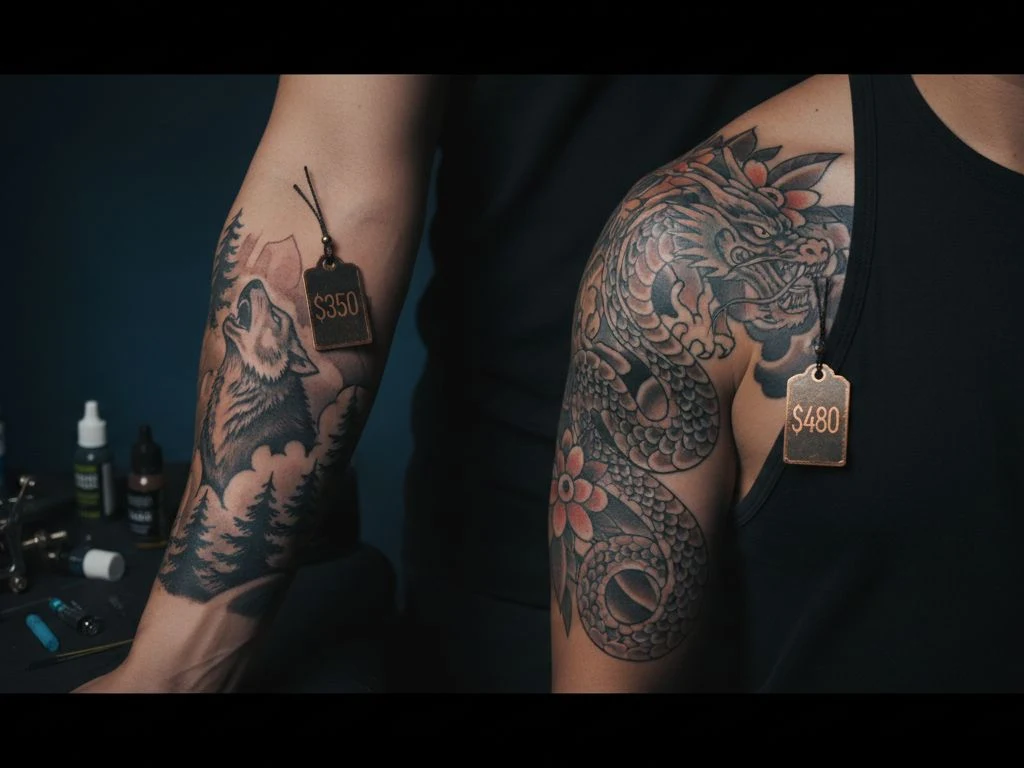
A tattoo costs more than the art alone, so set a full budget in dollars before you book. Most shops have a minimum charge of 80 to 200 dollars, even for a tiny tattoo. A small tattoo of two inches often costs 100 to 250 dollars, while a medium piece can cost 300 to 600 dollars. Hourly rates run 100 to 300 dollars, based on the artist and the city. Add a tip of 15 to 20 percent, since tipping is normal in most studios. Add 20 to 40 dollars for aftercare cream and wrap, and keep 50 to 100 dollars aside for a touch-up visit. Save the full amount first, then book, so money stress never rushes your choice.
15. Find Artists Who Work in Your Style
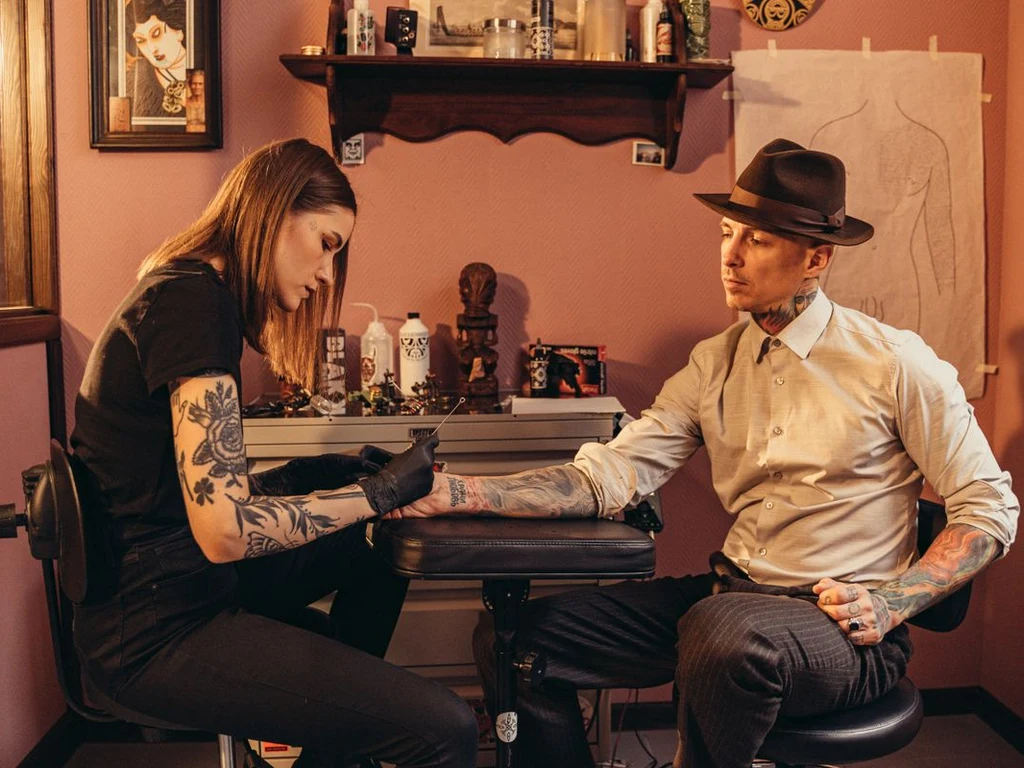
The artist matters more than the shop name, so find an artist who works in your style every day. Search online for your style plus your city, and read the artist pages, not just the shop home page. The Custom Tattoo AI first tattoo guide says to judge an artist by their portfolio and their healed work, not by their follower count. Make a list of three artists whose recent work matches your design, then check that they still take new clients. Look for an artist who has done your exact idea before, like a fine line flower or a bold traditional rose. A good artist will also tell you if your idea needs a change, since they know what heals well.
16. Read Portfolios for Healed Work

A portfolio shows what an artist can do, but fresh photos hide the truth, so read it for healed work. Fresh tattoos look dark and sharp, while healed tattoos show the real lines, the true color, and any blur. Ask the artist for photos of work healed for six months or more, and look for clean lines, even color, and no blowout, which is ink that spreads under the skin. Check that the style stays the same across many clients, since a steady hand is a safe hand. Look for work on skin like yours, since ink sits differently on light and dark skin. A strong portfolio has many healed pieces, not just a few perfect fresh shots.
17. Check the Studio License and Hygiene

A safe studio is clean, licensed, and open about its rules, so check those facts before you book. Look for a current license on the wall and a clean, bright room with a proper chair and good light. The artist should open a new needle in front of you, wear fresh gloves, and use single-use ink caps. The work area should be wiped down between clients, and the sink should have soap and paper towels. Ask how they throw away used needles, since a safe shop uses a sealed sharps box. If the shop smells bad, looks dirty, or hides its license, walk away, no matter how cheap the price is. Your health is worth more than any deal, and a clean studio will be glad you asked.
18. Read Reviews and Ask Tattooed Friends

Reviews and real friends tell you what a portfolio cannot, so read them before you trust a studio. Search the shop name online and read the newest reviews first, not just the top ones. Look for notes on clean rooms, fair prices, honest wait times, and kind staff. A few bad reviews are normal, but a pattern of the same complaint is a real warning. Ask tattooed friends where they went, what it cost, and how the healing went. A friend can show you their healed tattoo in person, which beats any photo online. Ask your friend if the artist listened, if the price matched the quote, and if they would go back. Pick a studio that friends praise for the same reasons you care about.
19. Book a Consultation First
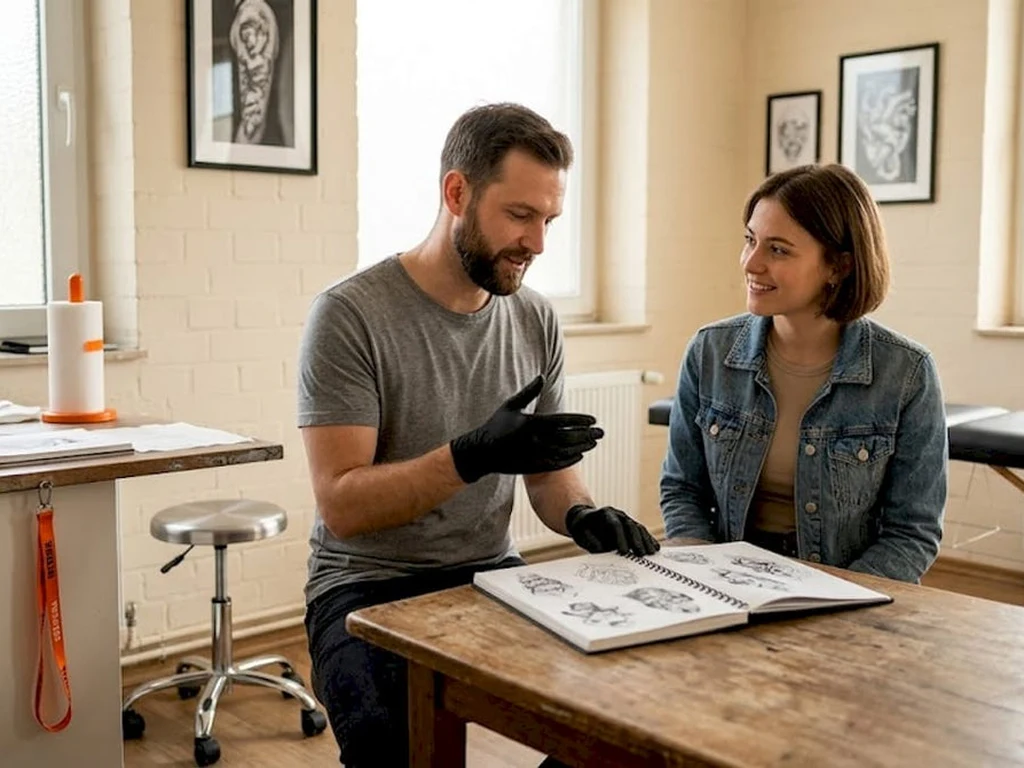
A consultation is a short meeting with your artist before the tattoo day, and you should never skip it. In the meeting you talk through your design, your size, your spot, and your budget, and the artist draws a first sketch. You also see the studio, meet the staff, and check the clean room with your own eyes. Bring your saved photos, your short list of designs, and a note of your meaning, so the artist can work from real input. Ask how long the session will take, what it will cost, and when the next free date is. A good artist will ask you questions too, since they want to know your skin and your health. If the talk feels rushed or pushy, pick a different artist.
20. Send a Clear Brief to Your Artist

Your artist can only draw what you describe, so send a clear brief with all the facts in one message. Include your design photos, your style, your size in inches, your spot, and your one-line meaning. Say what you do not want too, since clear limits save time. Send the brief a week before the consultation, so the artist has time to sketch and think. Keep the brief short, since a long note with ten ideas will pull the design in ten ways. One design, one style, one size, and one spot make the best brief. If you change your mind after the brief, tell the artist at once, since a late change can cost you the deposit or the date.
21. Ask About Price, Deposit, and Touch-Ups

Money talks should happen before the needle starts, so ask about price, deposit, and touch-ups in plain words. Ask for the full price in dollars, not just the hourly rate. Most shops ask for a deposit of 50 to 100 dollars to hold your date, and the deposit often comes off the final price. Ask if the deposit is lost when you cancel, and how much notice you need to move the date. Ask if a touch-up visit is free, since many shops fix small gaps for free in the first three months. Ask if the tip is extra, and ask how you can pay, since some shops take cards and some take cash only.
22. Check Your Age and Bring Photo ID

Every legal studio checks age, so know the rules and bring photo ID on the day. In most of the United States, you must be 18 to get a tattoo, and the shop will ask for a government photo ID like a license or a passport. Some states let a parent sign for a teen of 16 or 17, but many shops refuse minors as a rule, and that choice is theirs. Bring the real ID, not a photo on your phone, since a copy may not count. If you have no valid ID, the shop must turn you away, and you will lose your deposit. Age rules protect young skin, and a good studio follows them with no exceptions.
23. Tell Your Doctor About Health Issues First

A tattoo is a small wound, so tell your doctor first if you have a health issue that affects healing. Diabetes, a weak immune system, a blood disorder, or a skin condition like eczema can change how your skin heals. Blood thinners, some acne drugs, and some immune drugs can raise the risk of bleeding or a bad heal, so bring a list of your drugs to the talk. If you are pregnant or nursing, most artists will ask you to wait until later. If you have a skin allergy, ask for a small patch test of the ink first. A short talk with your doctor costs little, and it can save you weeks of poor healing.
24. Prepare Your Body the Week Before

Your body heals best when it is rested and fed, so prepare it in the week before your tattoo. Sleep seven to eight hours each night, since tired skin bleeds more and hurts more. Drink water through the day, and eat real meals with protein, since your skin needs fuel to heal. Skip alcohol for two days before the session, since it thins the blood and makes the tattoo bleed more. Skip sunburn too, since burnt skin cannot take ink well, and a sunburned spot may need to wait. Moisturize the spot each day with a plain, scent-free cream, so the skin is soft and smooth. A calm week of sleep, water, and food gives you an easy session and a fast heal.
25. Eat, Sleep, and Dress Right on the Day

The day of your tattoo starts with food, sleep, and clothes, so get all three right. Eat a full breakfast with protein, like eggs and toast, since a full stomach keeps your blood sugar steady and stops you from feeling faint. Our healthy breakfast ideas guide has quick meals that work well on a tattoo morning. Sleep well the night before, and skip coffee if it makes you shaky, since a still body is easier to tattoo. Wear loose, dark clothes that open at the spot, so the artist can reach it without a fight. See our complete guide to fashion and outfit ideas for loose fits that suit a studio visit. Bring water, a snack, and headphones, since a long sit goes faster with them.
26. Check the Stencil Before the Needle Starts

The stencil is the thin paper outline your artist places on your skin, and it is your last chance to fix the design. Stand up, sit down, and move your arm or leg the way you do each day, then look in the mirror from two steps back. Check the size, the angle, and the spelling of any words, since a wrong letter in ink is hard to fix. Ask the artist to move the stencil if it sits too high, too low, or too close to a scar. Say yes only when the size, the slant, and the words all look right. Once you say yes, the needle starts, and small changes cost time and pain. A two-minute stencil check can save you years of regret.
27. Sit Still and Ask for Breaks

Sitting still is the hardest part of a tattoo, so plan for it and ask for breaks when you need them. Breathe slow and deep, keep your muscles loose, and do not tense the spot, since tense skin hurts more. Look away from the needle if it helps, and listen to music or a podcast to pass the time. Tell your artist at once if you feel dizzy, sick, or too hot, since those signs mean you need a pause and some water. Ask for a five-minute break each hour on a long session, and use it to stand, stretch, and eat a small snack. A calm client and a calm artist make the cleanest lines.
28. Follow the Aftercare Sheet Day by Day
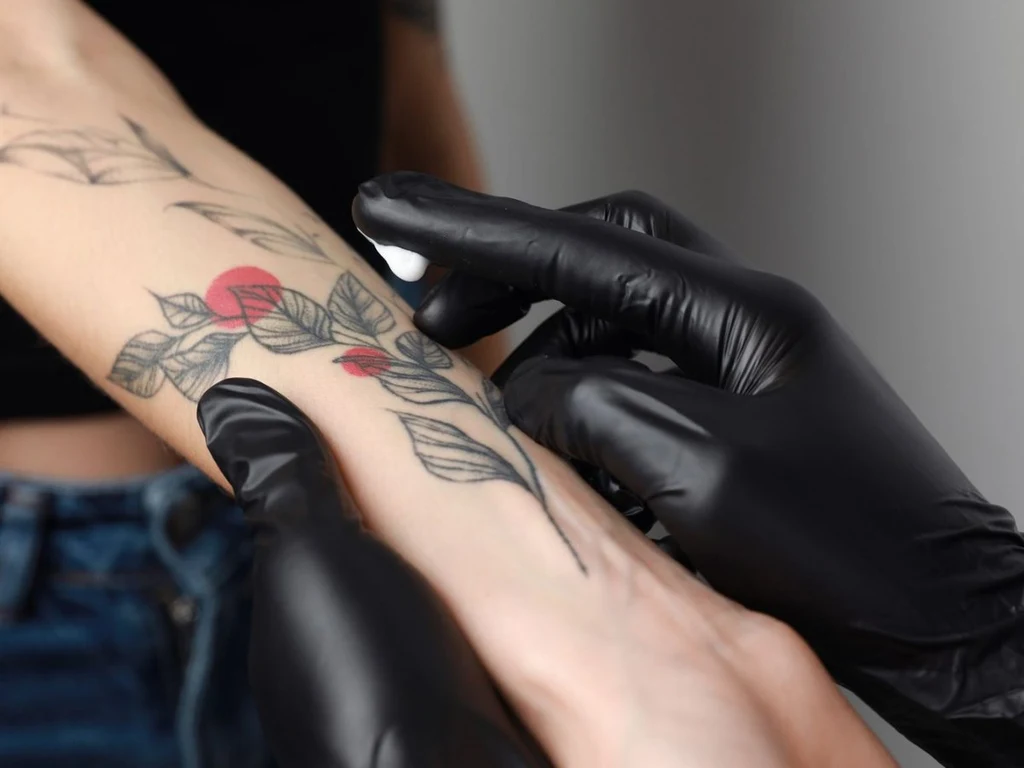
Aftercare is the care you give your tattoo in the first weeks, and it decides how the art heals. Your artist will give you a written sheet, so follow it day by day and do not swap in tips from friends. Leave the first wrap on for the time your artist says, then wash the tattoo with warm water and plain, scent-free soap. Pat it dry with a clean paper towel, then add a thin layer of the cream your artist suggests. The TatSpark first tattoo guide says to wash two to three times a day and to keep the tattoo out of pools, baths, and strong sun for two to three weeks. Do not pick at flakes or scabs, since picking pulls ink out with them.
29. Plan Your Healing Weeks and a Touch-Up

A tattoo takes two to three weeks to heal on the surface, so plan those weeks before you book. Keep the spot out of strong sun until the skin has closed. Set up a calm corner at home with clean towels, plain soap, and your aftercare cream, and our complete guide to home decor ideas can help you make a small care spot that stays tidy. Book a touch-up visit for six to twelve weeks later, since small gaps or light spots often need one pass. Once it has healed, plan a small reveal with friends, and our birthday party themes guide has easy ideas for a small home party. Your first tattoo is done when it has healed well, not when you leave the shop.
How To Choose Your First Tattoo: Placement, Pain Level, and Best Use
Use this table to match a spot to your pain level, your job, and your daily life. A low pain spot that hides under a sleeve is the safest pick for a first tattoo. Check the cover column too, since a hidden spot gives you more choice at work.
| Placement | Pain Level | Best For | Easy to Cover |
|---|---|---|---|
| Forearm | Low to medium | First tattoos you want to see | No, shows in short sleeves |
| Upper Arm | Low | First tattoos that stay private | Yes, hides under most shirts |
| Shoulder | Low to medium | Small designs with a clean shape | Yes, hides under most shirts |
| Outer Thigh | Low | Medium designs with room to grow | Yes, hides under trousers |
| Calf | Low to medium | Bold designs with strong lines | Yes, hides under long trousers |
| Ankle | High | Tiny designs on a neat spot | Yes, hides under socks and shoes |
| Wrist | Medium to high | Small words and thin lines | No, shows unless you wear a band |
| Collarbone | Medium to high | Fine lines and small text | Partly, hides under a high top |
How To Choose Your First Tattoo: A Simple Budget Plan
Use this table to set a real budget in dollars before you book. Save the full amount first, so a tight budget never rushes your choice of artist or design. The tip and the touch-up are part of the real cost, so count them from the start.
| Item | Rough Cost | Notes |
|---|---|---|
| Shop minimum charge | 80 to 200 dollars | Even a tiny tattoo has a floor price |
| Small tattoo, about 2 inches | 100 to 250 dollars | One clear shape, black ink only |
| Medium tattoo, about 4 inches | 300 to 600 dollars | More detail, may need two hours |
| Hourly rate | 100 to 300 dollars | Changes with the artist and the city |
| Tip | 15 to 20 percent | Normal in most studios, paid in cash |
| Aftercare cream and wrap | 20 to 40 dollars | Plain soap, cream, and clean towels |
| Touch-up visit | 50 to 100 dollars | Often free in the first three months |
Key Points
- Pick one true meaning for your first tattoo, and keep the design simple so it heals well and ages well.
- Live with the idea for six months and test it on your skin before you commit to real ink.
- Choose a low pain spot you can cover at work, like the upper arm or the outer thigh.
- Set a full budget in dollars that covers the tattoo, the tip, the aftercare, and a touch-up.
- Find an artist who works in your style each day, and judge them by healed work, not fresh photos.
- Check the studio license, the clean room, and fresh gloves and needles before you book.
- Eat well, sleep well, and wear loose dark clothes on the day of your tattoo.
- Follow the aftercare sheet day by day, keep the tattoo out of pools and strong sun, and book a touch-up.
Frequently Asked Questions
How much money should I plan for my first tattoo?
Plan 200 to 400 dollars for a small first tattoo, since the total covers more than the art alone. Most shops have a minimum charge of 80 to 200 dollars, and a small tattoo of two inches often costs 100 to 250 dollars. Add a tip of 15 to 20 percent, plus 20 to 40 dollars for aftercare cream and wrap. Keep 50 to 100 dollars aside for a touch-up visit, since small gaps often need one pass. The price changes with the city, the artist, and the detail, so ask for the full price in writing before you book. A good tattoo costs more at the start, but it costs far less than a fix or a removal later.
Which spot hurts the least for a first tattoo?
The outer thigh, the upper arm, and the calf tend to hurt the least for a first tattoo, since they have more fat and muscle under the skin. The forearm is a close second, and it lets you see your art each day. Spots with thin skin over bone hurt more, like the ankle, the wrist, the ribs, and the spine. Pain also shifts with your sleep, your food, and your stress, so a rested body hurts less on the day. Most people say the pain feels like a long scratch, and it fades fast once the needle stops. Pick a low pain spot for your first tattoo, and save the harder spots for later, once you know how your skin reacts.
What size works best for a first tattoo?
A size of one to three inches works best for a first tattoo, since it is easy to place, quick to heal, and kind on the price. One to two inches fits a wrist, an ankle, or the back of the neck. A medium tattoo of three inches fits a forearm, a shoulder, or a calf, and it leaves room for detail. Measure the spot with a soft tape, mark the size with a pen, and look in the mirror from two steps back. A design that looks large close up can still look small once it sits on your body. Keep the size honest to the detail, since a tiny design with lots of lines can blur as it heals.
What age do I need to be, and what ID must I bring?
Most shops in the United States ask for proof that you are 18, and they will want a real photo ID at the desk. A license or a passport works, while a school card or a phone photo often does not. A few states let a parent sign for a teen of 16 or 17, yet many studios still say no to minors as a house rule. Bring the card itself on the day, and check that it has not passed its date, since an old card can fail the check. If you forget your ID, the artist must send you home, and your deposit may not come back. The age rule keeps young skin safe, and honest studios hold it firm.
How do I pick a safe tattoo studio?
Pick a safe tattoo studio by checking its license, its clean room, and its reviews before you book. Look for a current license on the wall and a bright, clean room with a proper chair and good light. The artist should open a fresh needle where you can see it, put on new gloves, and use clean ink caps. Search the shop name online and read the newest reviews first, looking for notes on clean rooms, fair prices, and kind staff. Ask tattooed friends where they went and how the healing went, since a friend can show you healed work in person. When a shop smells bad, looks dirty, or hides its license, leave, no matter how low the price is.
Can I bring a photo or drawing of my own design?
Yes, you can bring a photo or a drawing of your own design, and most artists welcome it. Bring your saved photos, your three favorite designs, and a short note of your meaning for the artist. A good artist will use your idea as a base, then redraw it to fit your skin, your size, and your spot. The SoTattooed first tattoo guide says to bring reference images and to trust the artist to shape them into clean, lasting art. Say what you do not want too, like no text or no color, since clear limits save time. Send the brief a week before the consultation, so the artist has time to sketch. Never ask for a line by line copy of another artist work.
What foods and drinks should I skip before my tattoo?
Skip alcohol for two days before your tattoo, since it thins the blood and makes the tattoo bleed more. Skip strong coffee on the morning of the session if it makes you shaky, since a still body is easier to tattoo. Skip a heavy meal right before you go in, since a full stomach can make you feel sick. Eat a normal breakfast with protein, like eggs and toast, and drink water through the morning. Skip pain pills that thin the blood unless your doctor says you must take them. Tell your artist about any drugs you take, since some drugs change how your skin bleeds and heals. A calm body with steady blood sugar gives you an easy session and a fast heal.
How long must I wait before my next tattoo?
Wait at least four to six weeks before your next tattoo, since the first one needs that time to heal on the surface. A small tattoo often heals in two to three weeks, but the skin below can still be soft for a few more weeks. Wait until the flakes have gone, the skin feels smooth, and the color looks even. If you got a touch-up, wait four weeks after that visit too. Do not book a second tattoo on a spot that still feels sore, tight, or shiny, since fresh skin takes ink badly. Use the wait to live with your first tattoo and to plan the next one well. A patient wait gives you two tattoos that heal clean, not two that fight each other.
Conclusion
Learning how to choose your first tattoo gives you a calm, clear path from the first idea to a healed piece of art you love. This guide gave you 29 plain steps, and each step asks one small choice, from your meaning and your design to your artist, your budget, and your aftercare. Take your time, live with the idea for six months, and pick a simple design on a spot that fits your life. Find a clean, licensed studio, check the stencil before the needle starts, and follow the aftercare sheet day by day. Your first tattoo should feel like a good choice, not a rush, so start with one step today. The art will wait, and it will be worth the wait.